If you’ve stumbled upon the Calathea Lancifolia or the Rattlesnake Plant, you’re in for a treat. Known not just for its striking snake-like leaves but also for its air-purifying abilities, this plant is a top pick for indoor gardeners wanting both beauty and a breath of fresh air. But hey, it’s not all sunshine; caring for this tropical beauty takes some patience and know-how. Here’s the lowdown from my experience to help you keep this green buddy thriving and your indoor air clean.
Let me tell you about the Rattlesnake Plant
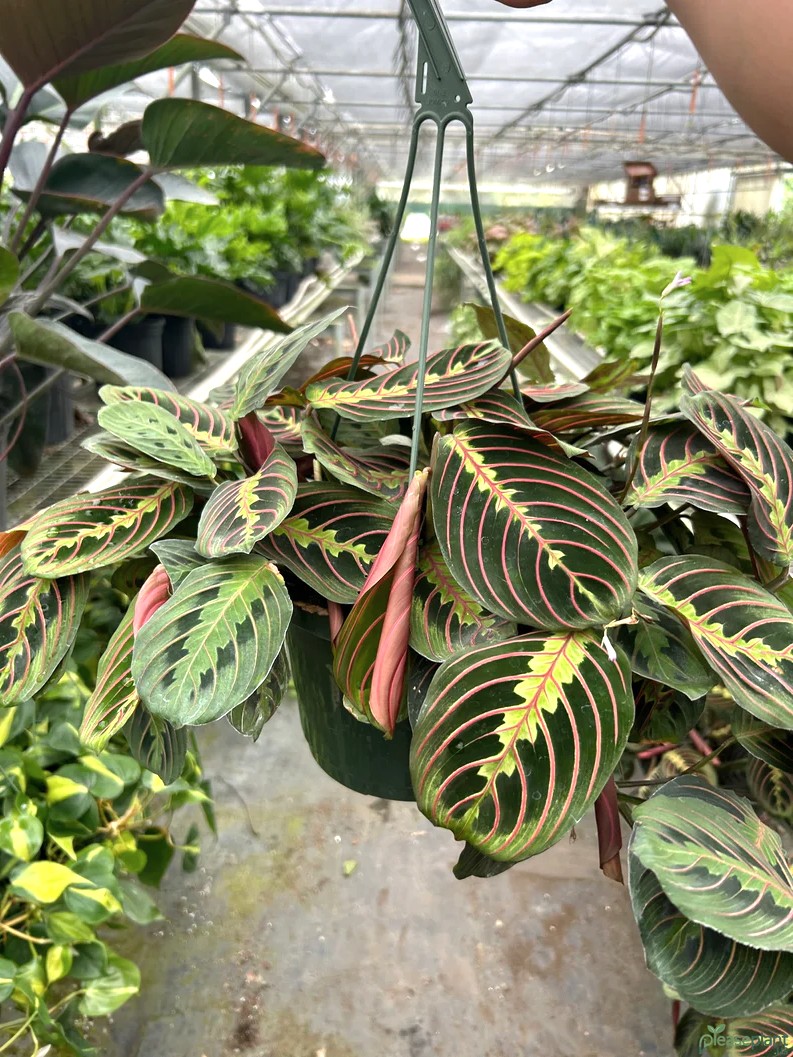
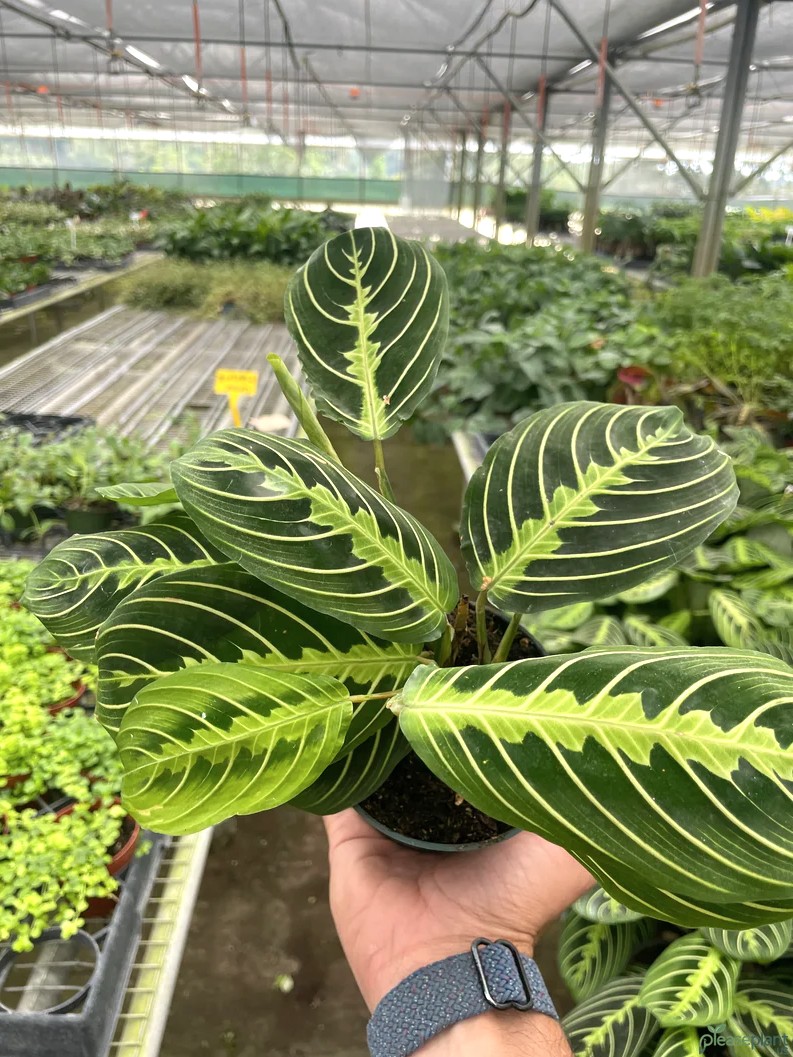
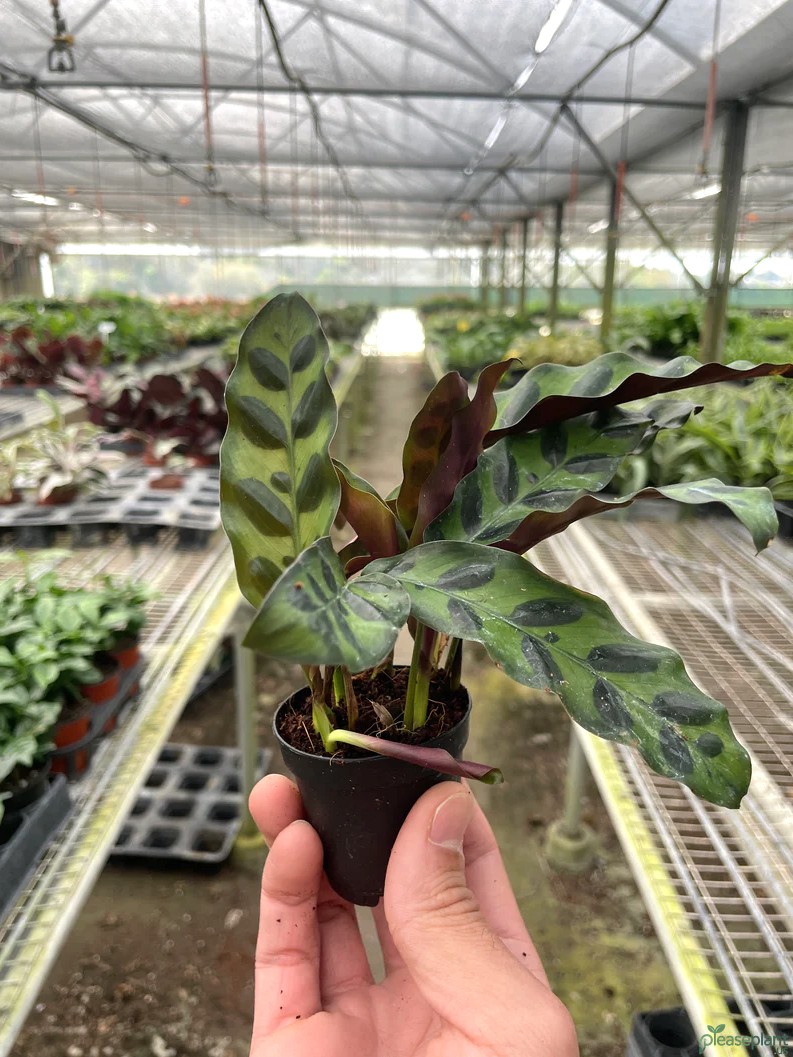
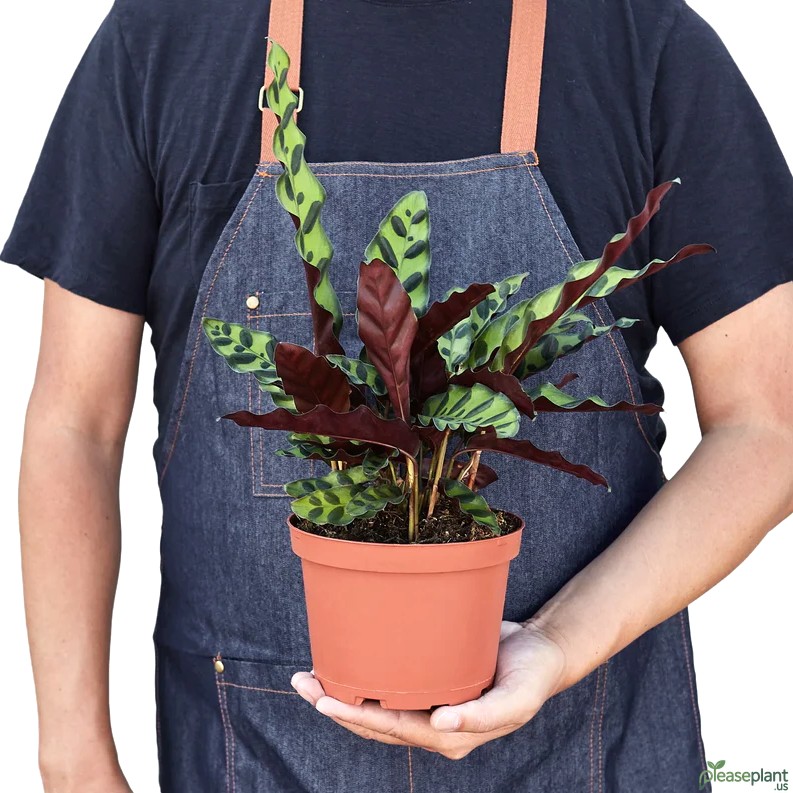
The Calathea Lancifolia, widely nicknamed the Rattlesnake Plant, is that eye-catching houseplant with long, wavy leaves patterned like a serpent’s skin. It’s not just a pretty face; this plant has earned its place in many homes because of its reputed ability to improve indoor air quality. If you’ve ever wondered if plants really make a difference, this one does, filtering toxins and refreshing your space naturally.
What makes the Calathea Lancifolia a champion air purifier?
The science behind plants cleaning indoor air isn’t new, but the Rattlesnake Plant stands out among its peers. Its large, broad leaves increase the surface area for air purification, absorbing pollutants like formaldehyde and benzene that sneak in from furniture, cleaning products, or even your humble old carpet. I’ve noticed a fresher vibe in my living room since adding one, even if it sounds a bit woo-woo.
Caring for your Rattlesnake Plant without losing your mind
Now, don’t get me wrong, this isn’t a plant for the forgetful or those with a brown thumb. It’s a bit fussy – it craves high humidity, indirect light, and consistent moisture. Too much sun and you’re looking at scorched leaves; too little water and it starts curling up like it’s had a bad day. I’ve learned the hard way that a humidifier nearby or a pebble tray soaked in water can do wonders to keep this beauty happy. Also, avoid cold drafts or sudden temperature swings, because this tropical darling isn’t a fan.
Why bother with a Rattlesnake Plant?
Besides looking like it slithered in from a jungle, it actively helps clean your indoor air, which can make a difference if you spend most of your time inside. Plus, it’s a conversation starter. People often ask me about those unique leaves, and I get to brag about its benefits. Sure, it’s not the easiest plant on the block, but if you give it the right environment, it’s a low-key air-purifier with style.
Troubleshooting common issues
If you see brown edges or spots, you might be dealing with dry air or inconsistent watering – both are classic Calathea Lancifolia gripes. Pest-wise, keep an eye out for spider mites; these nasty bugs love dry conditions and can turn your plant into a sad, crispy mess. A quick misting and wiping the leaves with a damp cloth usually keeps them at bay.
Final thoughts on the Rattlesnake Plant
So, if you want a plant that’s as functional as it is beautiful, the Calathea Lancifolia fits the bill. It’s not the easiest plant to love, but its air-purifying powers and striking foliage make it worth the effort. Just remember, a little attention goes a long way, and soon you'll have a healthier, happier home with this snake-inspired green companion.