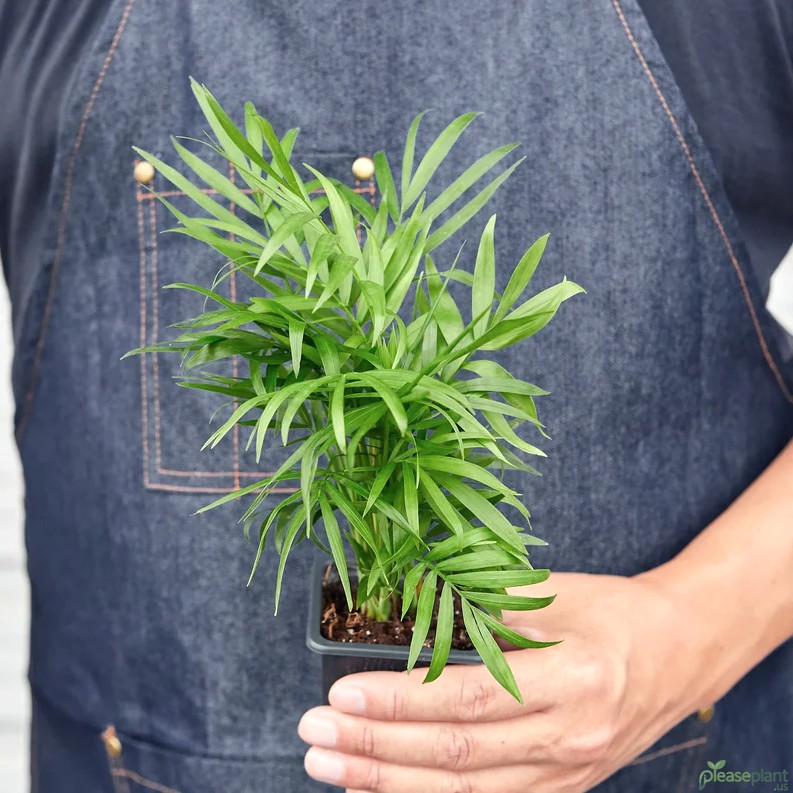

So you’ve noticed those tiny baby plants dangling from your Curly Spider Plant and wondered how to turn them into full-grown green beauties? I’ve been there, fiddling and figuring out the best way to handle these quirky little Spider Plant pups. Let me tell you, propagation is easier than you think, and with a bit of care, you’ll soon have a whole army of curly green friends. From snipping pups carefully to potting and watering tips—this guide has got you covered.
Little Green Babies, Big Plant Dreams
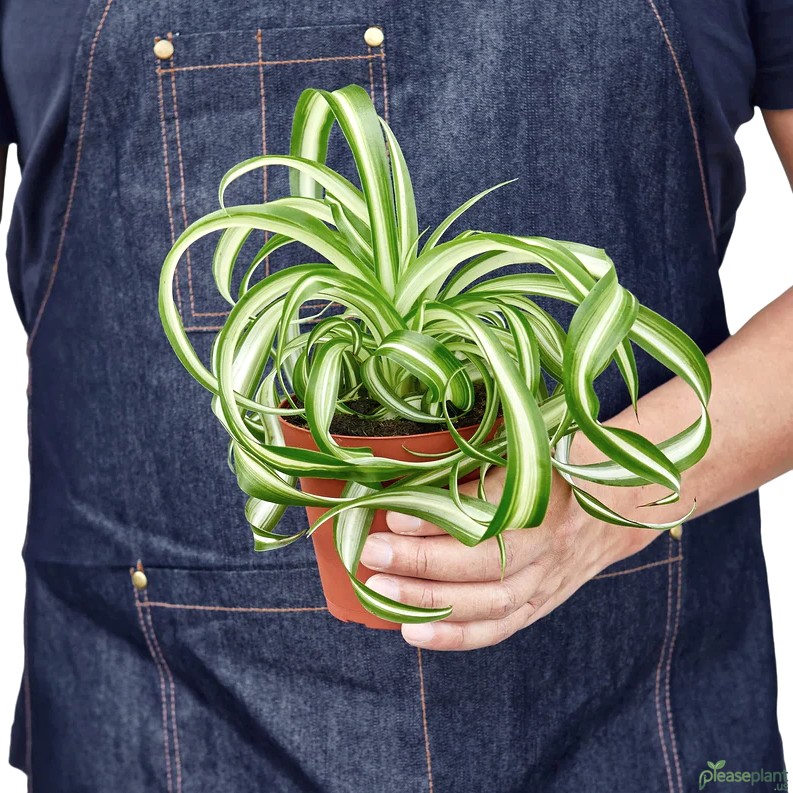
Ever caught yourself staring at those adorable, curly little offshoots hanging from your Curly Bonnie Spider Plant? I sure did, wondering if I could turn those into new plants without killing them. Spoiler alert: you can, and it’s way easier than you might think. These baby plants, or “pups,” are nature’s gift, ready to grow if you just give them a chance.
How To Snip Those Curious Pups
First off, don’t be shy with the scissors but don’t go all Edward Scissorhands either. Wait till the pups have a few roots already, those tiny white threads peeking out. If you cut too early, it’s like sending a kid to school without shoes—sure, it might survive, but why risk it? Use clean, sharp scissors and snip the pup close to the mother plant, but leave a little stem for the pup to hold onto. Oh, and don't forget to clean your scissors to avoid infections—nobody wants sick plants, right?
Potting and Watering—The Real Deal
Once you have your little baby pup, pot it in some well-draining soil. I like mixing regular potting soil with a bit of perlite to keep things airy. overwatering is the sneaky enemy here; those curly leaves might look thirsty, but too much water will rot the roots faster than you can say "green thumb." Water when the top inch of soil feels dry, and keep it somewhere bright but away from direct sun—those pups are delicate, not sunbathers!
Watch Them Grow—Patience Is Key
This is where many give up too soon. Your new little plant might not explode in growth overnight, but keep the faith. Spider plants, especially the curly variety, can be a bit slow but steady wins the race. Mist the leaves occasionally if the air is dry, and maybe talk to them a bit—hey, it can’t hurt! After a few weeks, you’ll see new leaves unfurling, and that’s when the magic hits.
Common Pitfalls and How To Dodge Them
I’ve had my fair share of pup failures. Sometimes the roots just wouldn’t take, or the leaves turned yellow. Usually, that’s overwatering or not enough light. Also, don’t pot them in heavy soil that holds water like a sponge; it’s a death trap. Lastly, don’t expect every pup to make it—nature can be harsh, and that’s okay. Try again, and soon you’ll have a jungle of curly green spirals.
Why propagate your own Curly Spider Plants?
Besides the obvious joy of watching your baby plants grow up, it’s a cost-effective way to fill your home with greenery. Plus, sharing pups with friends is a cool way to spread the plant love. Trust me, once you get the hang of it, propagating Curly Spider Plant pups becomes a hobby you look forward to. So grab your scissors, dirt, and a bit of patience—your indoor garden awaits!