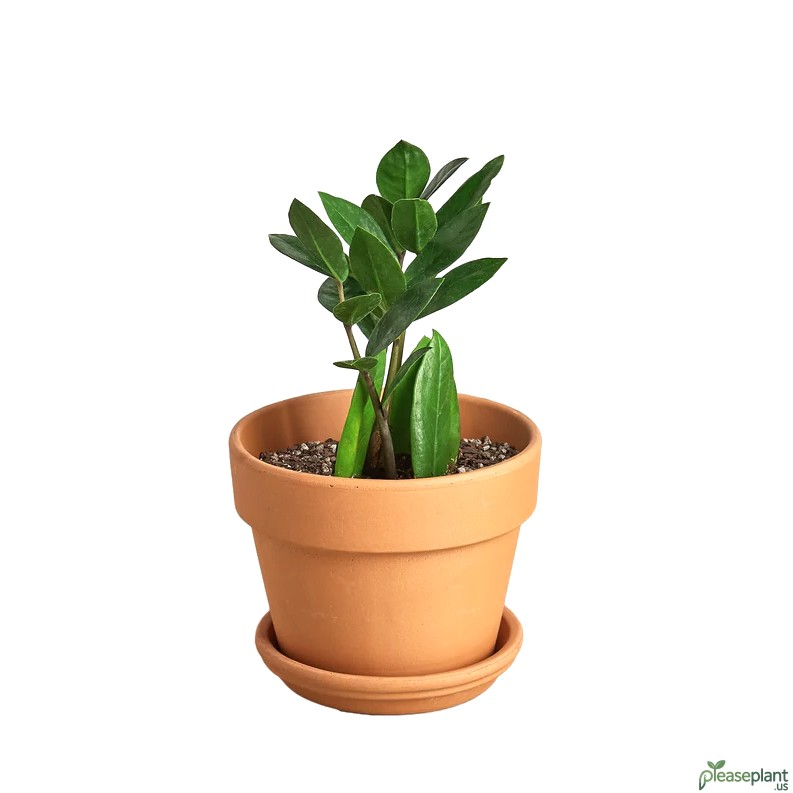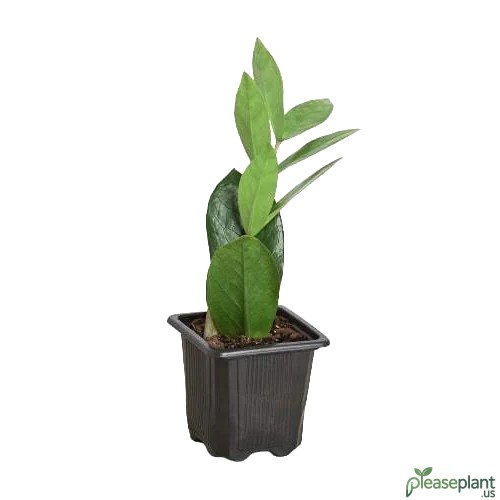
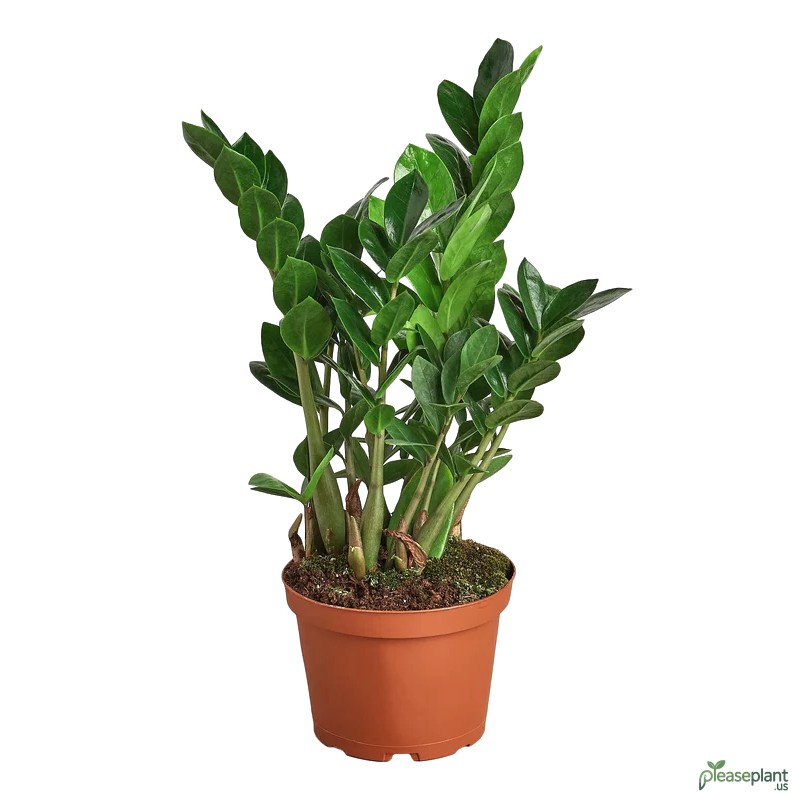
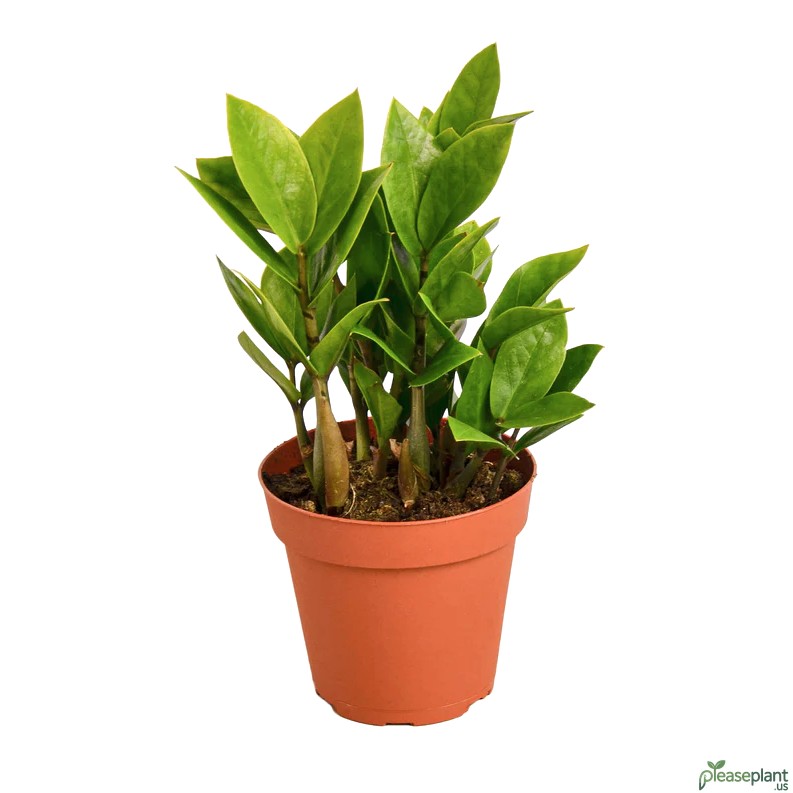
If you're a dog lover with a green thumb, you might be wondering if the ZZ Plant is a safe addition to your home. This trendy indoor plant, known for its low maintenance and glossy leaves, is often a go-to for many. But does it pose risks to your canine companions? Let's dive into the world of Zamioculcas Zamiifolia, its potential toxicity, and how to keep your pets safe while enjoying your leafy friends.
Let Me Tell You About The ZZ Plant
Ever walked into a home and noticed that perfect little plant sitting by the window, looking all shiny and green? Chances are, that was a Zamioculcas Zamiifolia, or as most call it, the ZZ Plant. I've had my share of plants, and the ZZ was one I couldn't ignore. Its resilience is downright impressive, surviving neglect like a champ. But here’s the catch - if you own dogs, you might wanna pause before bringing one home.
The Safety Question For Dog Owners
So, is the ZZ Plant safe for your furry pals? The straightforward answer is no, not completely. This plant contains calcium oxalate crystals, which are kinda like tiny needles for your pup's mouth and digestive tract. If your dog takes a nibble, you might notice drooling, irritation, or even some tummy upset. I remember my buddy’s pooch once got curious and took a bite — we had a bit of a scare, but luckily it was just mild irritation.
What Makes ZZ Plant Toxic?
The little troublemakers in this plant are those sharp calcium oxalate crystals. They’re designed by nature to keep herbivores away, but since dogs are curious and sometimes a bit reckless, these crystals cause discomfort. It’s not deadly but definitely a no-go for munching. So, if your dog is the type to chew on everything, best to keep this plant way out of reach.
caring for your ZZ While Keeping Dogs Safe
Now, don’t get me wrong — the Zamioculcas Zamiifolia is a fantastic plant for your home. It thrives on neglect, tolerates low light, and looks downright chic. But if you have a dog, here’s what I recommend:
- Place the plant on high shelves or hanging pots where your dog can’t jump.
- Train your dog to avoid plants in general; treats work wonders here.
- Consider using deterrents like citrus peels near the plant — dogs hate that smell!
- Always have fresh water and toys to distract curious pups.
Alternatives If You’re Too Worried
If the whole toxicity thing gives you the creeps, no shame in skipping the ZZ Plant. There are pet-friendly plants out there that are just as easy to care for. Spider plants, Boston ferns, or even certain orchids can add greenery without the risk. Remember, your dog’s safety comes first, even if it means missing out on that trendy plant.
Final Thoughts
So yeah, the Zamioculcas Zamiifolia ZZ Plant is a stunner and a survivor, but it’s not the best buddy for your dog. A bit of planning and some common sense can keep everyone safe and happy though. Personally, I keep mine on a high ledge and my dog’s never gotten close enough to test it out again. That’s the kinda peace of mind every dog owner should have!