Golden Pothos: The Easiest Pothos Variety to Grow

Discover why the Golden Pothos is the easiest Devil's Ivy Plant to grow, perfect for beginners and busy plant lovers alike.

Golden Pothos care Devil's Ivy plant tips easy houseplants low maintenance plants
Golden Pothos: The Easiest Pothos Variety to GrowGolden Pothos: The Easiest Pothos Variety to Grow

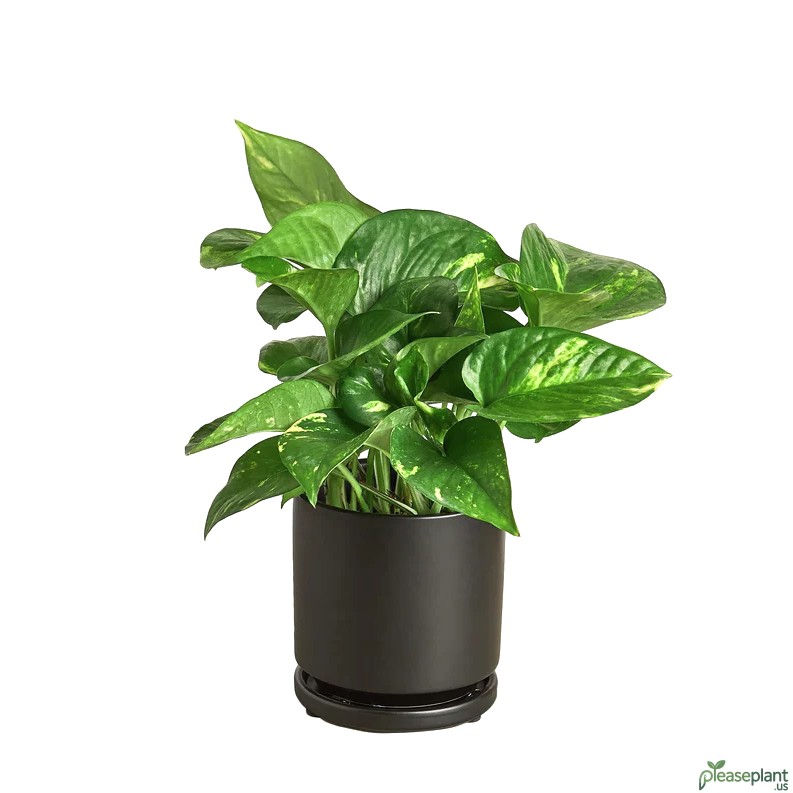
If you've ever wanted a green buddy that practically takes care of itself, Golden Pothos or Devil's Ivy might just be your new best friend. This resilient plant has earned its rep as the easiest pothos variety to grow, thriving in less-than-ideal conditions and adding a splash of gold to your home. Whether you're a newbie or just forgetful when it comes to watering, the Golden Pothos is forgiving and endlessly charming.

Let Me Tell You About My Green Companion
I've been around a lot of houseplants in my time, some fussy little divas, others quite the stoic types. But nothing quite matches the charm of the Golden Pothos - Devil's Ivy Plant. This beauty is like the reliable mate you always want around — tough, low-maintenance, and looking good while doing it. You could almost say it's the easiest pothos variety to grow, no kidding.

Why is Golden Pothos So Easy to Grow?
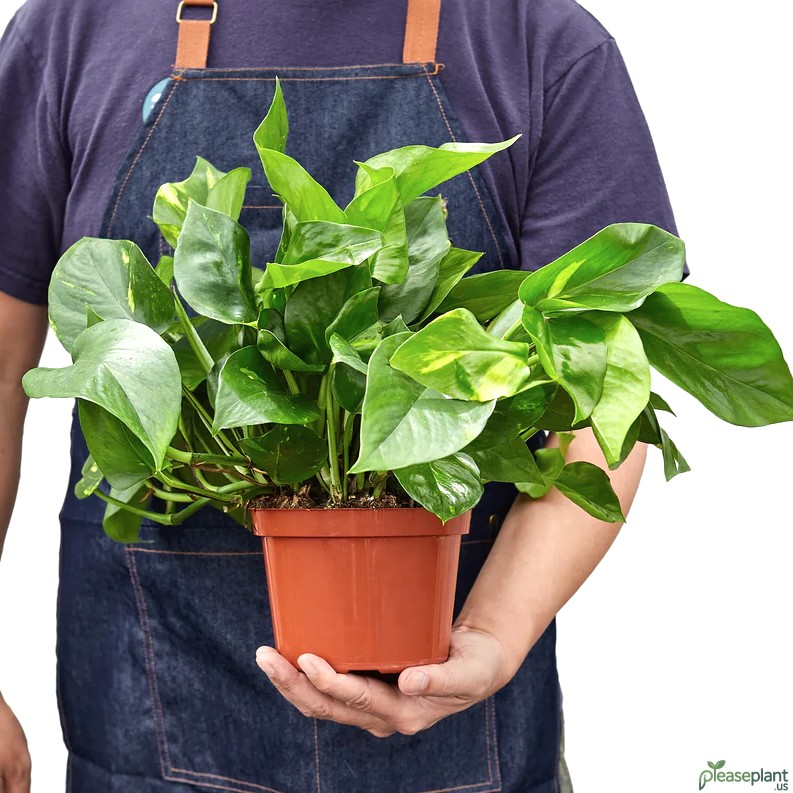
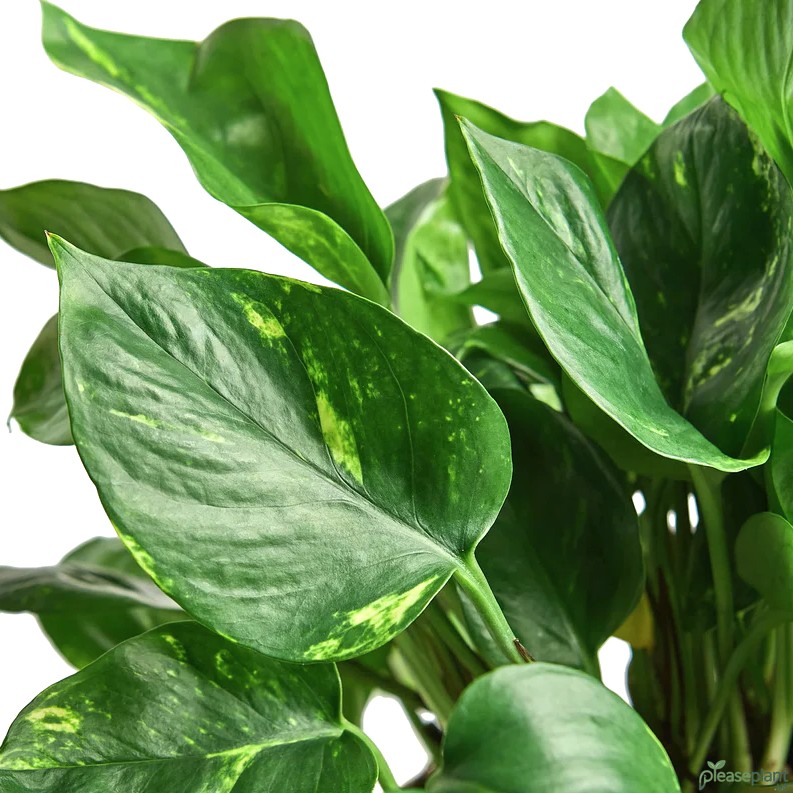
First off, this plant is a survivor. It laughs in the face of low light, which is a blessing for those gloomy corners in your home where other plants would sulk and die. You can forget watering it for a week or two, and it’ll still bounce back like nothing happened. This plant thrives on neglect, or so it seems. Its heart-shaped leaves with those splashy golden hues bring life to any room, and it even purifies the air — a double win!

Common Issues and How to Avoid Them
Now, don’t get me wrong, the Golden Pothos isn’t completely invincible. Overwatering is the sneaky villain here. I once drowned a perfectly happy Devil’s Ivy because I was too eager with my watering can. Lesson learnt: let the soil dry out between drinks. Yellowing leaves usually mean you’re giving it too much love in the form of water. And if the leaves start looking small or pale, that's your cue to move it closer to light. But no worries, these problems are pretty easy to fix.

Tips From My Years Growing Devil's Ivy
If you're thinking of letting a Golden Pothos trail down from a hanging pot or climb a trellis, do it! These plants are natural climbers, and their vines can get pretty long if you let them. Trim the ends now and then to keep it bushy and full. Don't be shy about propagating cuttings either — it's a great way to get new plants without spending a dime.

Final Thoughts on Golden Pothos
Honestly, if you want a plant that looks fabulous but won't turn your life into a daily watering ritual, Golden Pothos is the way to go. It’s not just a plant; it’s a green companion that’s hard to kill and easy to love. So go ahead, grab yourself one and watch your space turn into a little jungle without breaking a sweat!
Recommended For You

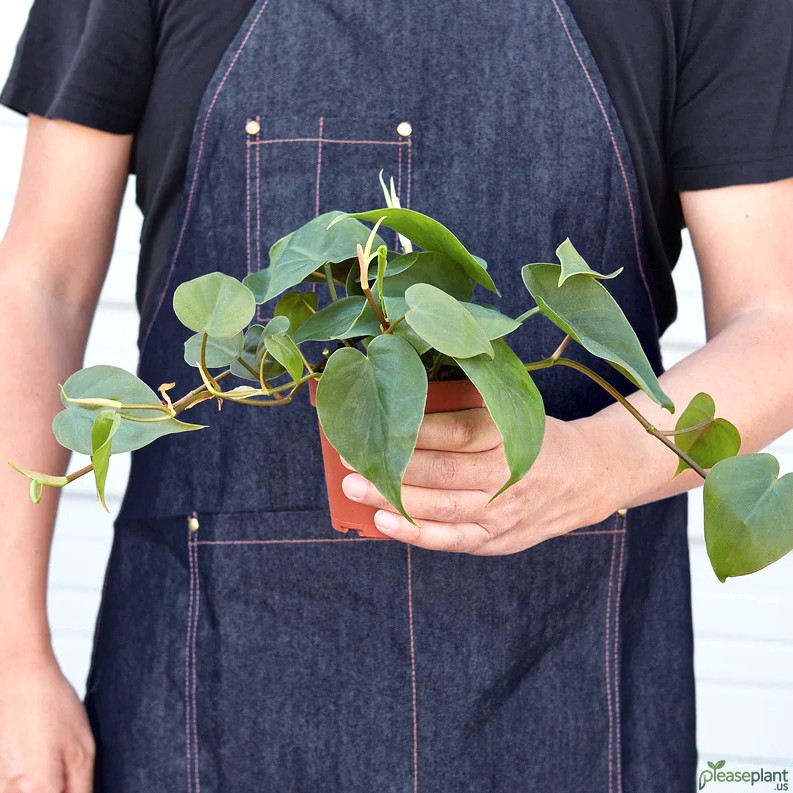
Golden Pothos - Devil's Ivy Plant

Golden Pothos - Devil's Ivy Plant

Shop Now

Explore similar articles

Why is the Money Tree So Lucky? Feng Shui & Fortune

Why is the Money Tree So Lucky? Feng Shui & Fortune

Ever wondered why the Money Tree - Pachira Braid is hailed as a symbol of luck and prosperity? Rooted deeply in Feng Shui traditions, this braided plant isn't just a decorative houseplant but a charm for fortune and wealth. From its unique braided trunk to its glossy leaves, the Money Tree carries stories of abundance and positive vibes. But how exactly does it work? And what’s the best way to care for this botanical bringer of good luck? Let me take you through my own experiences and some handy Feng Shui tips to help you make the most of this lucky charm.

Snake Plant Poisoning: Symptoms and Pet Safety Guide

Snake Plant Poisoning: Symptoms and Pet Safety Guide

The Snake Plant - Zeylanica, while a popular and hardy indoor choice, has a dark side many overlook: it's mildly toxic to pets. If you’ve ever wondered about the symptoms of snake plant poisoning or how to keep your cats and dogs safe, you’re not alone. From drooling and vomiting to lethargy, these signs might appear after a curious nibble. But fret not, with some practical tips and a bit of care, you can enjoy your green buddy without fearing for your pet's health.

Peperomia Ripple Red vs Emerald Ripple ID | Best Pick

Peperomia Ripple Red vs Emerald Ripple ID | Best Pick

Peperomia Ripple Red and Emerald Ripple often confuse indoor plant lovers with their textured leaves and compact size. But which one deserves your shelf space? In my many years of tending to these quirky beauties, I've seen how each variety brings a unique flair to any room. Ripple Red impresses with its deep burgundy hues and rugged leaf surface, while Emerald Ripple flaunts a lively green shade with subtle ripples. Let's dive into their care, quirks, and what makes them stand out.

Red Prayer Plant: The Pet-Safe Houseplant You Need

Red Prayer Plant: The Pet-Safe Houseplant You Need

If you're hunting for a pet-safe houseplant that brings life and color to your living space, the Maranta Red - Prayer Plant is a top pick. Known for its beautiful red-veined leaves and unique habit of folding its leaves at night, this plant isn't just eye candy—it's also safe for your furry friends. Growing it is surprisingly straightforward if you get the right humidity and light balance. This article digs into what makes the Red Prayer Plant special and how to keep it thriving.