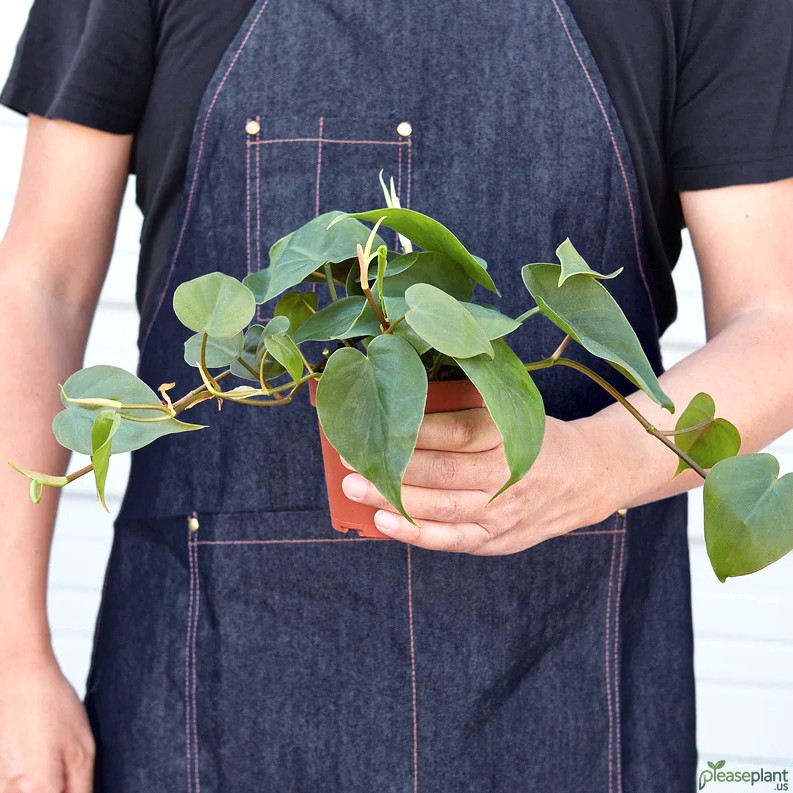
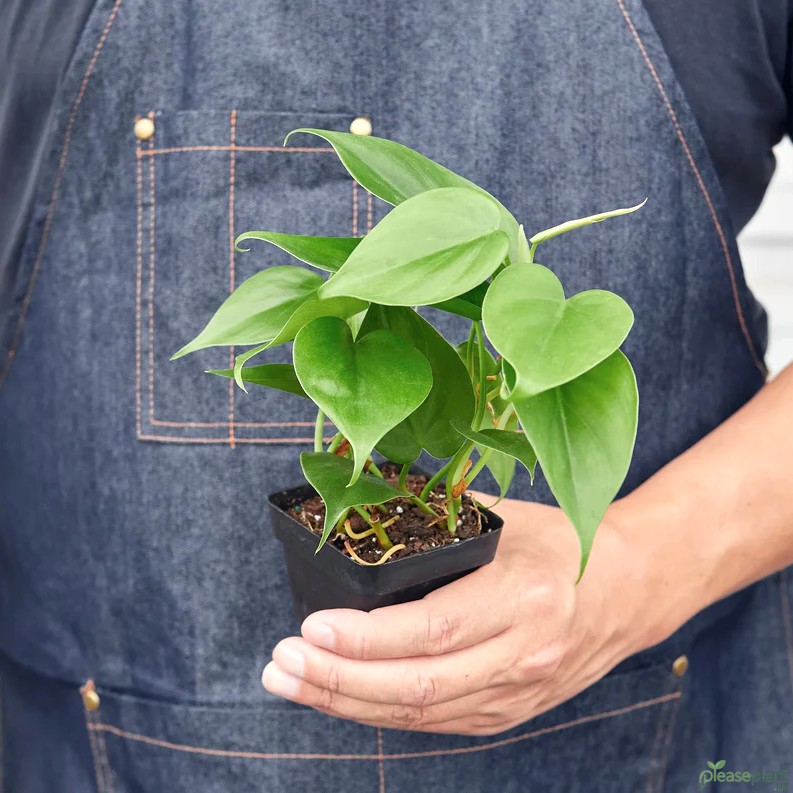
The Philodendron Cordatum Heartleaf Plant is a popular choice for indoor gardeners, but it’s not just about watering and light. Humidity plays a sneaky yet crucial role in its health and vibrancy. Many beginners miss this, leading to droopy leaves or slow growth. I’ve spent years tweaking my indoor jungle, and let me tell ya, getting humidity right is a game changer. Whether you’re battling dry air in winter or just curious about why your plant looks sad, this guide shares the juicy secrets to mastering humidity for your beloved heartleaf.
Let Me Tell You About My First Heartleaf
Back in the day, I scooped up a Philodendron Cordatum Heartleaf Plant because it looked easy, forgiving, and just plain cute. But soon enough, the leaves started curling and turning yellow, and I thought, "What on earth is wrong with my little green buddy?" Turns out, it wasn’t just about watering or light; humidity was the silent culprit. This plant thrives in higher humidity, like a tropical rainforest vibe, which most of our homes just don’t naturally have.
Why Humidity Matters for Philodendron Cordatum
The heartleaf plant is native to warm, humid environments, and it’s adapted to soaking up moisture from the air as much as from the soil. When the air is too dry, the leaves can develop crispy edges or drop off entirely, leaving you with a sad, patchy display. I remember one winter when my heating blasted away all moisture indoors, and it nearly killed my plant! I had to improvise fast.
How to Boost Humidity Without a Fancy Setup
Not everyone has a humidifier lying around, and trust me, you don’t need one to keep your Philodendron Cordatum happy. Here’s what worked for me:
- Group plants together: Plants release moisture through leaves, so clustering them creates a mini humid zone.
- pebble trays: Fill a shallow tray with water and pebbles, then place your pot on top. As the water evaporates, it raises humidity around the plant.
- Misting: A quick misting every now and then helps, but don’t overdo it or you risk fungal problems.
Signs Your Heartleaf Is Thirsting for More Humidity
If your plant’s leaves look limp, have brown tips, or the newer leaves are small and misshapen, it’s screaming for more moisture in the air. I once ignored these signs and ended up with half my leaves dropping like crazy. Lesson learned the hard way!
Humidity Tips for Different Seasons
Winter’s the biggest enemy because indoor heating sucks out moisture. I’d recommend placing your Philodendron Cordatum in a bathroom or kitchen where humidity is naturally higher if possible. Summer, on the other hand, is usually less of a problem, but if you live in a dry climate, those pebble trays become your best friend.
A Quick Word on watering and soil
Humidity’s not the only factor, but it interacts closely with watering. Overwatering in low humidity can cause root rot, while underwatering in dry air stresses the plant further. Use well-draining soil and water when the top inch feels dry to the touch. I used to overthink it, but now I just check soil and leaf condition regularly.
The Final Whisper: Love and Patience
Like any living thing, the Philodendron Cordatum Heartleaf Plant responds to care and patience. I’ve had mine for years, and each winter I tweak humidity levels just a bit, watching it bounce back stronger every spring. It’s not magic, just knowing what your plant needs and giving it a bit of TLC. Trust me, your heartleaf will thank you with lush, heart-shaped leaves that brighten any room.