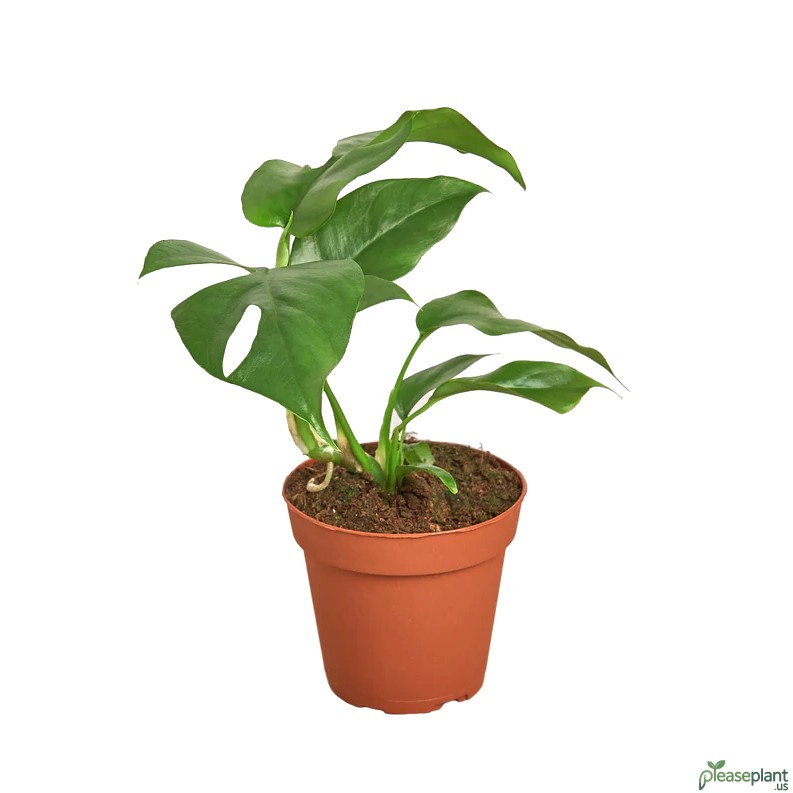
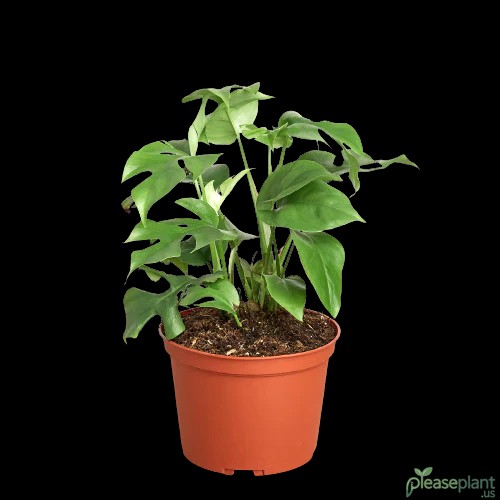
The Philodendron Mini Monstera Minima isn't your everyday houseplant. Its rarity has plant lovers buzzing, but just how hard is it to find one? From my own experience wandering through plant shops and online marketplaces, this little beauty seems to pop up like a shy guest at a party. Not to mention the prices can be as wild as the jungle it comes from! In this article, I’ll share practical tips, stories, and what you really need to know if you’re hunting for this elusive green gem.
Chasing the Mini Monstera Dream
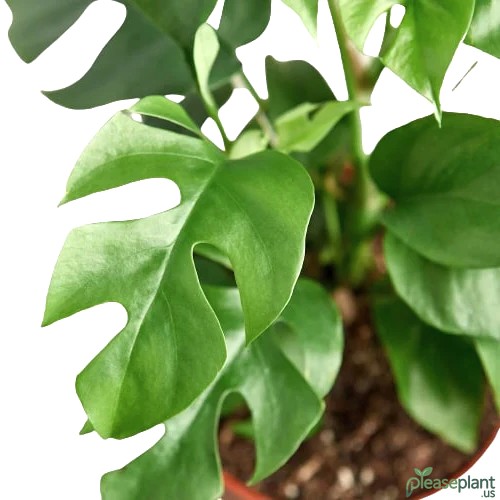
Okay, so you’ve probably heard whispers about the Philodendron Mini Monstera Minima, right? That tiny, cutely fenestrated leaf plant that’s stealing hearts everywhere. Well, lemme tell ya, finding one feels a bit like searching for a needle in a haystack, especially if you’re not living near a major urban jungle hub. It’s not just rare because it’s pretty—its scarcity is tied to how slowly it grows and how picky it is about where it’s sold.
Why So Rare? The Backstory
The rarity of the Mini Monstera comes down to a few things. First, it’s native to tropical regions where it grows under dense canopy—slow grower and shy about showing off. Nurseries don’t crank these babies out like some common pothos or spider plants. Plus, demand exploded in recent years, turning it into a bit of a collector’s item. I once saw a local shop get a shipment and it sold out in under an hour. No joke. Some sellers even jack up prices like they’re auctioning off gold bars. Crazy, right?
Hunting Tips From a Plant Lover
So how do you actually get your hands on a Philodendron Mini Monstera Minima? First, patience is key. Frequent your local indie plant shops or join online plant swap groups. Sometimes folks propagate these monsters and are willing to trade or sell at reasonable prices. Also, keep an eye on social media plant communities where members post availability updates. Pro tip: avoid sketchy sellers promising overnight miracles or super cheap deals—they usually don’t end well.
Growing Your Own From Cuttings?
If you’re lucky enough to snag a cutting, congrats! But don’t get cocky. Mini Monstera cuttings can be a bit temperamental. They like high humidity and indirect light—think cozy rainforest vibes. I tried rooting a cutting on my windowsill once, and well, let’s just say it was more drama than I bargained for. Still, with some love and a bit of trial and error, you can get it growing strong. Just don’t expect it to balloon overnight; it’s more like a slow dance than a sprint.
Is It Worth the Chase?
Honestly, if you’re the kind of person who loves a good plant challenge and appreciates unique greenery, the Mini Monstera is worth every minute of the hunt. It’s not just a plant; it’s a conversation starter, a badge of honor, and a little piece of the jungle right in your living room. But if you’re after instant gratification or something low maintenance, maybe stick to other philodendrons with less attitude.
The Bottom Leaf
Finding a Philodendron Mini Monstera Minima can be a wild ride full of patience-testing moments and a sprinkle of luck. But when you finally get that tiny fenestrated leaf unfurling in your home, all the waiting feels like a small price to pay. Just remember, it’s not about rushing the process—it’s about savoring the green journey and every quirky twist along the way!