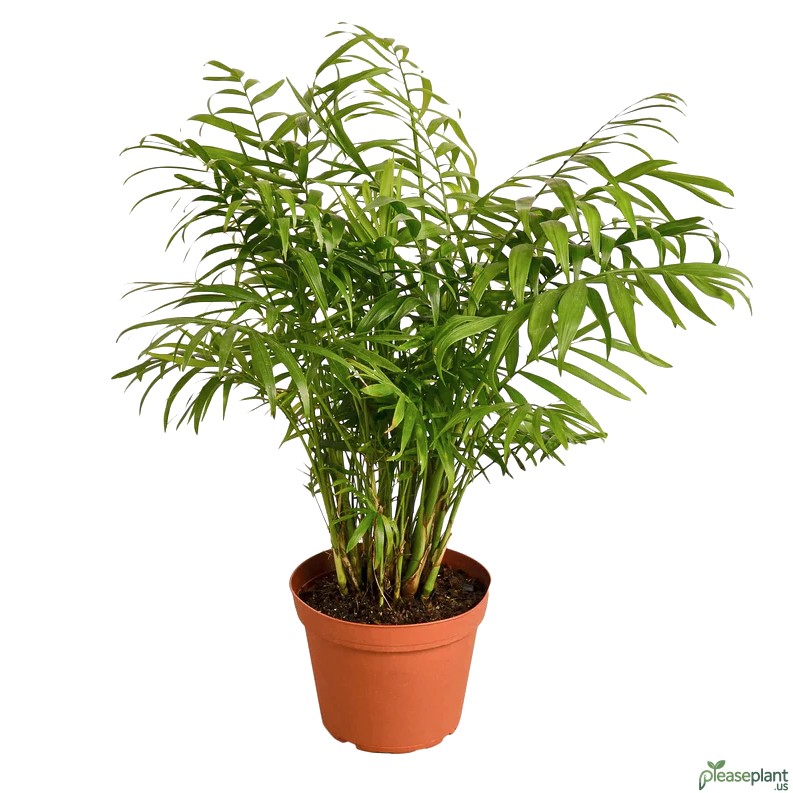
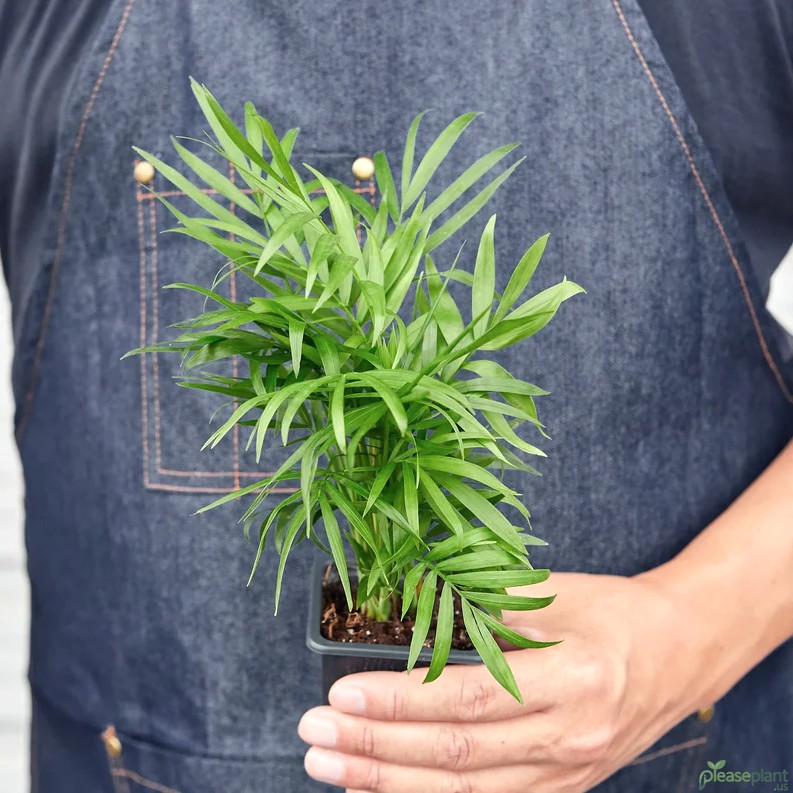
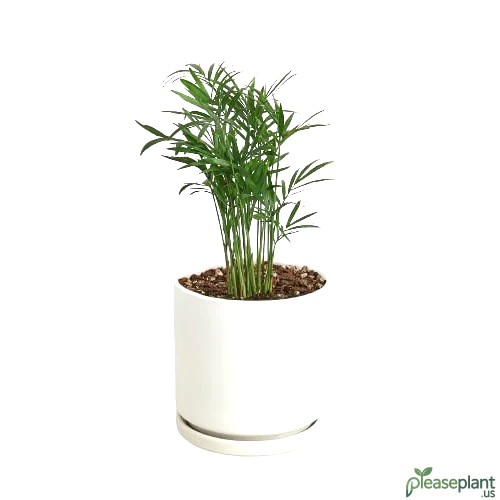
If you're hunting for a pet-safe houseplant that adds a touch of tropical charm without the worry of toxicity, the Parlor Palm - Chamaedorea Elegans might just be your new best friend. Known for its elegant fronds and easy care, this plant is gentle on your dogs and cats, making it a popular choice for pet owners who want greenery without the risk. Let's dive into why the Parlor Palm stands out and how you can keep it thriving in your home.
Let Me Tell You About The Parlor Palm
So, you want a plant that won't send your fur babies rushing to the vet? The Parlor Palm - Chamaedorea Elegans Plant is a real champ in that department. I've had my share of leafy friends over the years, and trust me, not all plants are created equal when it comes to pet safety. This fellow here? Completely non-toxic. That means you can chill knowing your dogs and cats can sniff around without harm. It's like having a tiny jungle indoors that's safe for your four-legged pals.
What Makes Parlor Palm So Safe?
You might wonder, "What’s so special about this plant?" Well, unlike many other indoor plants that contain nasty toxins, the Parlor Palm’s chemistry is gentle. It doesn't contain the irritating compounds that cause vomiting or worse. And while some pets are curious nibblers, with this plant, if your dog or cat decides to take a nibble (and they often do), nothing dangerous will happen. I remember my tabby, Whiskers, giving a tentative nibble once, and he was just fine. No drama, no emergency vet visits—just a bit of indifference from the plant.
Caring For Your Parlor Palm
It's not just about safety; you want a plant that behaves indoors. The Parlor Palm doesn't require much fuss. It thrives in moderate to low light, which is perfect for most homes. Water it moderately, and don’t drown it like some overenthusiastic plant parents do. I've learned the hard way that soggy soil is the enemy here. A good soak every week or so, depending on your home's humidity, keeps it looking lush and healthy. Oh, and don’t expect it to grow like a tropical forest overnight—this palm is a slow and steady friend.
Problems? Few and Far Between
Sure, no plant is perfect. Sometimes the Parlor Palm can get a bit shy with brown tips if the air is too dry or if you forget the watering schedule. But compared to other houseplants that might poison your pets or require constant babysitting, this one’s pretty low maintenance. Plus, it adds a nice splash of green without the drama. Just avoid placing it where it might get knocked over by an enthusiastic pup or a curious cat on a midnight adventure.
Final Thoughts On The Parlor Palm
If you’re after a non-toxic, pet-friendly plant that brings a bit of the tropics inside, the Parlor Palm is a solid choice. It’s not flashy or high maintenance, but it’s reliable and safe. And hey, your dogs and cats will thank you for not introducing any poison into their playground. So why not give one a home and enjoy some green vibes without the worry?
Keep in mind, while the Parlor Palm is non-toxic, it’s always a good idea to watch how your pet interacts with any plant—some pets might still upset their tummy just from overeating leaves. But compared to many other indoor plants, this one definitely earns a big paw of approval.