If you're diving into the world of Pothos N'joy - Babyplant, you've probably bumped into Pearls and Jade too. Both are adorable with their variegated leaves, but which one fits your vibe? Let's untangle the main differences in leaf patterns, growth habits and care needs. Whether you're a newbie or a seasoned plant parent, this guide will clear the fog and help you pick the perfect green companion for your space.
Let me tell you about my leafy friends
When I first got into Pothos N'joy - Babyplant, I had no clue there were these two cousins that often got mixed up: Pearls and Jade. Both flaunt those pretty variegations that make your living room pop, but trust me, they're not twins. Imagine Pearls and Jade as two siblings who share the same family but have very different personalities.
What really sets Pothos N’Joy apart?
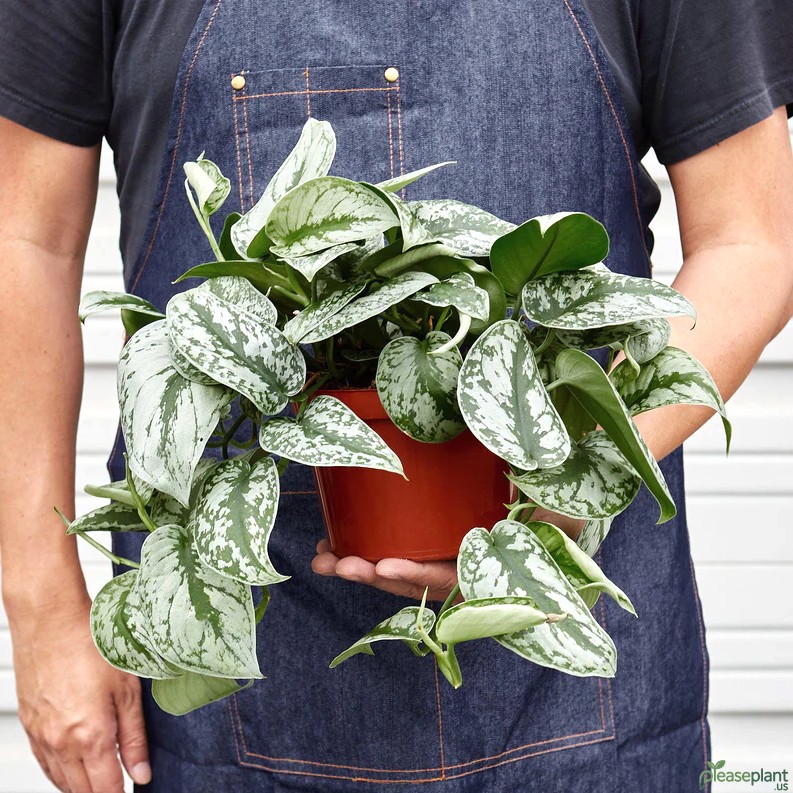
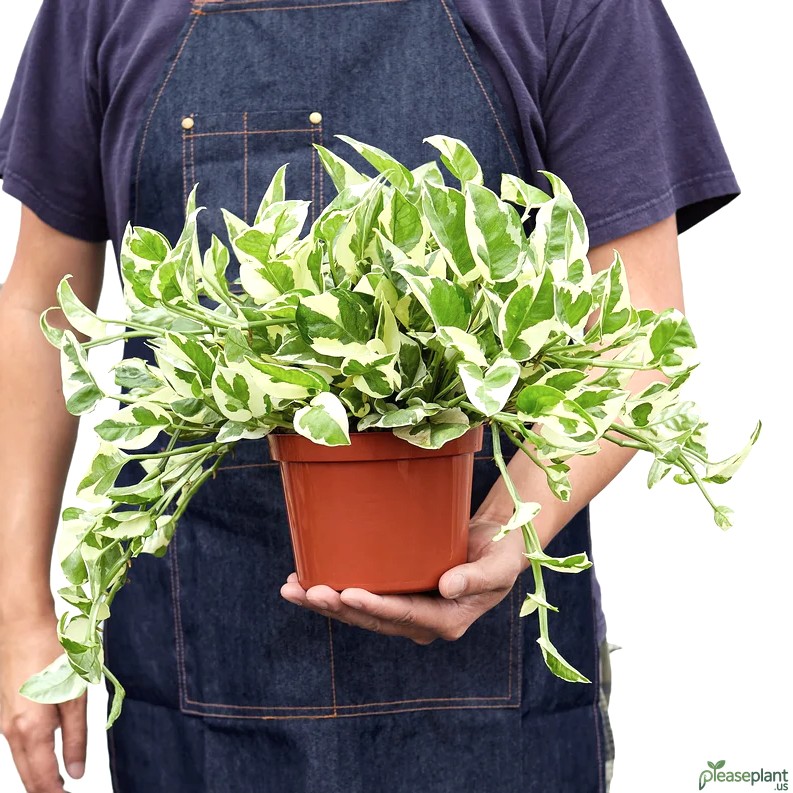
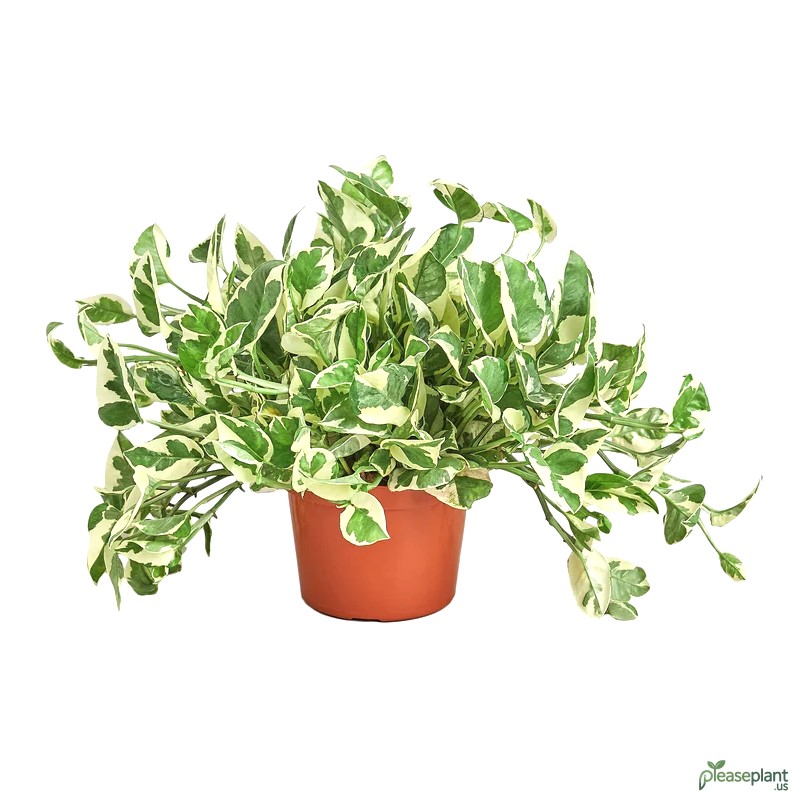
Pothos N’Joy is like the cool, artsy type with splotches of creamy white splattered across a deep green canvas. Its leaves are a bit smaller and more delicate, which makes it perfect for hanging baskets or trailing down shelves. This babyplant thrives in moderate light but can handle lower light situations better than many plants. One thing to watch for is overwatering" class="text-primary hover:underline">overwatering; N’Joy doesn’t like soggy roots and will throw a tantrum with yellow leaves if you mess up the watering schedule.
Pearls and Jade: The underrated alternative
Now, Pearls and Jade is a bit more robust, with bigger leaves that show off a marbled mix of greens and whites. It grows faster than N’Joy, so if you’re the impatient type who loves a jungle vibe yesterday, Pearl and Jade might be your guy. But here’s the catch: it needs a tad more light to keep those variegations crisp and vibrant. Too little light and you’ll end up with leaves that look more plain green than fancy.
Care tales from my window sill
I've had both of these plants living side by side for years. N’Joy is like that friend who’s chill with whatever lighting you toss at it. Sometimes my room gets dark for days, and N’Joy just shrugs it off. Pearls and Jade? Not so much. It sulks and loses some of its sparkle if I don’t put it near a bright window. But Pearls and Jade is forgiving if you forget to water it once in a while, unlike N’Joy, who quickly shows signs of distress.
Which one should you pick?
If you’re looking for a low-maintenance, beautiful Pothos N'joy - Babyplant with a delicate charm, N’Joy is your buddy. But if you want a statement plant that grows fast and doesn’t mind a bit more sun, Pearls and Jade is the way to go. Either way, you’re getting a hardy houseplant that jazzes up your home and purifies your air.
Final thoughts from my green thumb
The truth is, both plants are winners in their own right. Sometimes I even switch their pots just for fun to see which leaf pattern I’m in the mood for. So don’t stress too much; grab the one that speaks to you and enjoy the leafy journey ahead. Just remember, don’t drown them in water and keep an eye on your light levels, and you’ll have a thriving indoor jungle in no time!