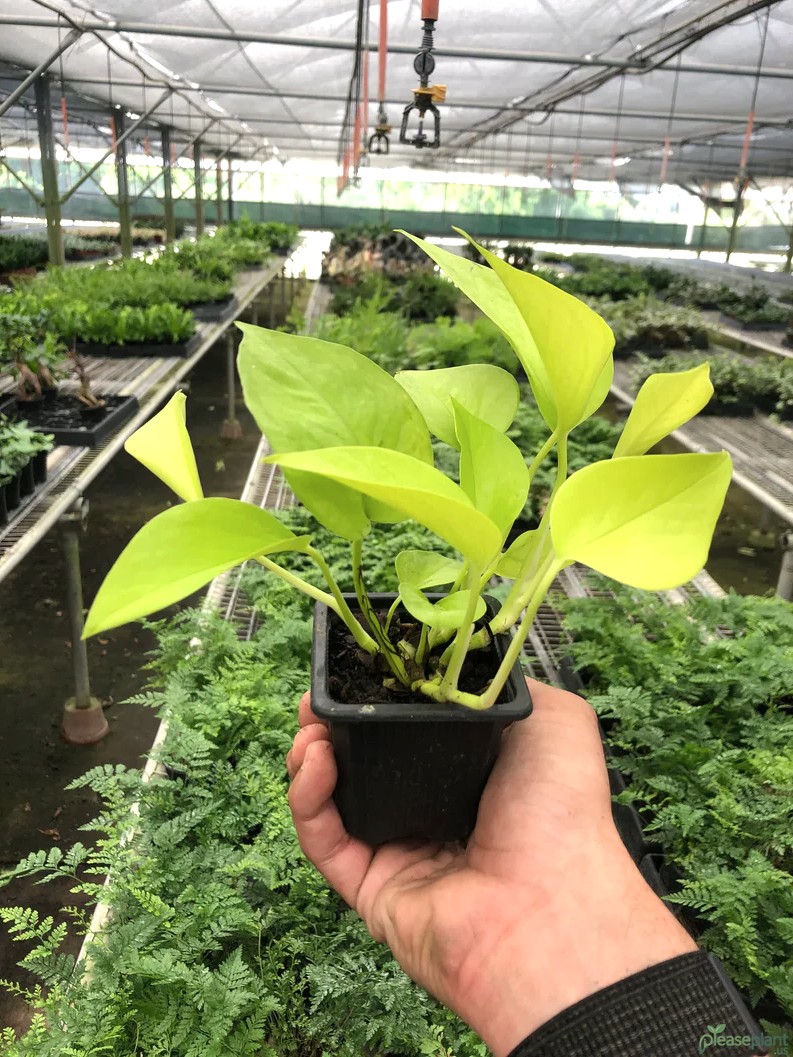
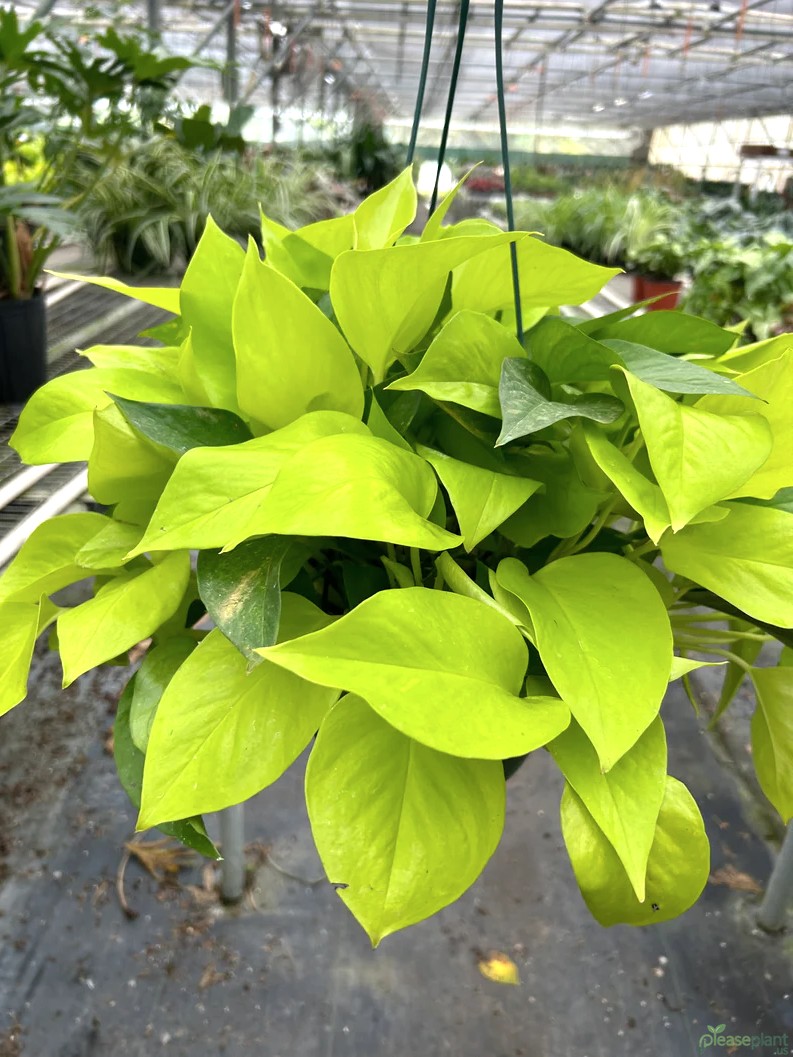
If your Pothos Neon Plant is losing its signature bright color, you’re not alone. This common issue often comes down to lighting mistakes that many plant lovers make. I’ve been there, watching my neon leaves fade into dull green, and it’s frustrating! But there’s a simple fix you must see that can revive those colors without complicated care routines. In this guide, I’ll share my personal experience and tips on how to get your Pothos glowing again with just the right light setup.
Let Me Tell You About My Neon Fiasco
Bright neon leaves fading to boring green? That was me a few months ago with my Pothos Neon Plant. It’s like buying a flashy neon sign and watching the lights dim day by day. I wondered, "What am I doing wrong?" Turns out, it’s mostly about the right light conditions. Pothos Neon isn’t just a regular pothos; it craves brightness to keep its neon charm alive. Too little light and the neon fades, too much direct sun and you risk scorched leaves. Simple, yeah? But easy to mess up.
Why Is My Pothos Neon Losing Color?
The biggest culprit is usually light. Neon pothos needs bright, indirect light to keep those electric green-yellow leaves popping. If it’s stuck in a dim corner, the plant’s natural reaction is to produce more chlorophyll, which turns the bright neon into a duller green. Also, I noticed that when my plant was too close to a south-facing window, the leaves got bleached spots. So, it’s a delicate dance between not enough and too much light.
The Simple Light Fix You Must Try
Here’s the trick that worked for me: I moved my Pothos Neon to a spot with plenty of natural light but shielded from direct sun by a sheer curtain. This gave it bright, diffused light, perfect for maintaining its neon glow. If natural light is scarce, a grow light with a spectrum leaning towards the cool white or daylight range can do wonders. Just keep it on for about 12-14 hours daily and watch the magic happen.
Other Tips From My Pothos Journey
Besides light, watering is key. Overwatering can stress the plant and dull colors, so I let the top inch of soil dry out before watering again. Also, feeding your neon pothos with a balanced fertilizer every 4-6 weeks during growing season can keep it vibrant. Avoid cold drafts and sudden temperature changes – they don’t like it and your plant will show it by losing color or dropping leaves.
Don’t Overcomplicate It
The Pothos Neon is pretty forgiving if you get the light right. It’s not some high-maintenance diva needing perfect conditions every day. Just a decent light spot, reasonable watering, and occasional feeding. That’s all it takes to keep your neon leaves shining bright. And if you see some dull leaves, trim them off to encourage new growth. Trust me, it’s worth the little effort for that pop of neon in your indoor jungle.
Final Thoughts
Your Pothos Neon Plant losing color isn’t the end of the world. It’s a sign nudging you to tweak its light situation. Bright, indirect light is the secret sauce. Move it, or set up a grow light, and you’ll soon see those neon leaves glowing again. Remember, plants communicate with us in subtle ways, and color loss is just one of those messages. Listen, adjust, and enjoy the neon vibes!