The Truth About Satin Pothos and Your PetFriends

Discover the truth about Satin Pothos and their safety around your beloved pet friends. Learn care tips and how to keep your home green and pet-safe.

Satin Pothos care Pictus Plant toxicity Pet-safe houseplants Photos Satin plant tips Indoor plants pets safe
The Truth About Satin Pothos and Your PetFriends

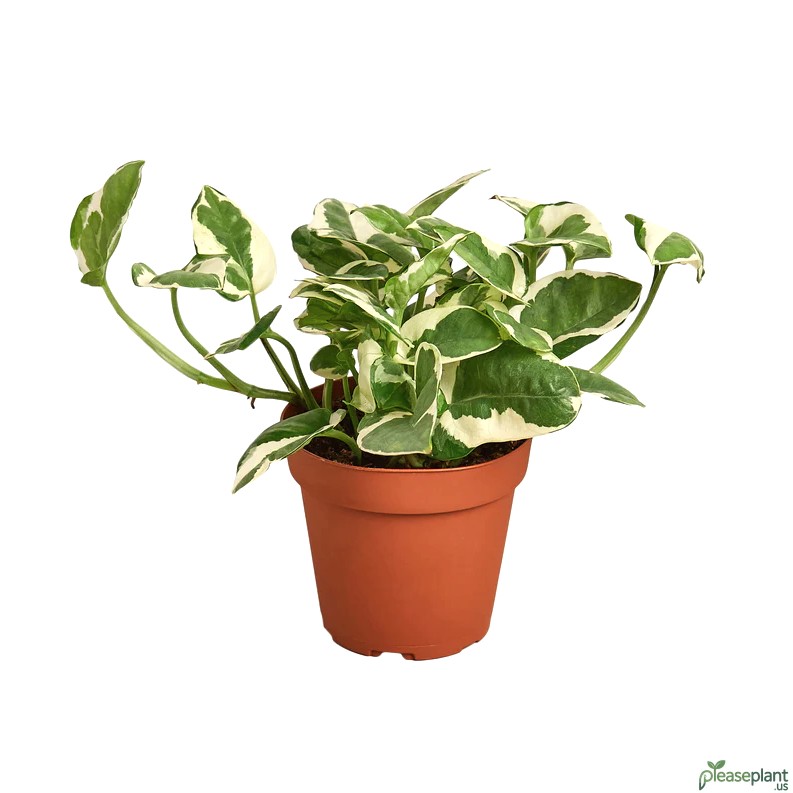
Ah, the Satin Pothos – a charming plant with those velvety, silvery leaves that catch the eye instantly. But what about your furry pals? Can you keep this Photos Satin or Pictus Plant in a pet-friendly home? Many gardeners face this dilemma. From my years of wrangling with plants and curious cats, I’ve gathered some insights to share. Let me tell you how to enjoy the beauty of this plant while keeping your pets safe and your home stylish.

Let Me Tell You About Satin Pothos and Pets
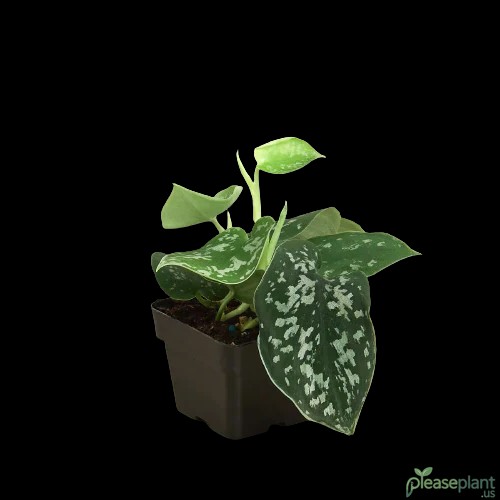
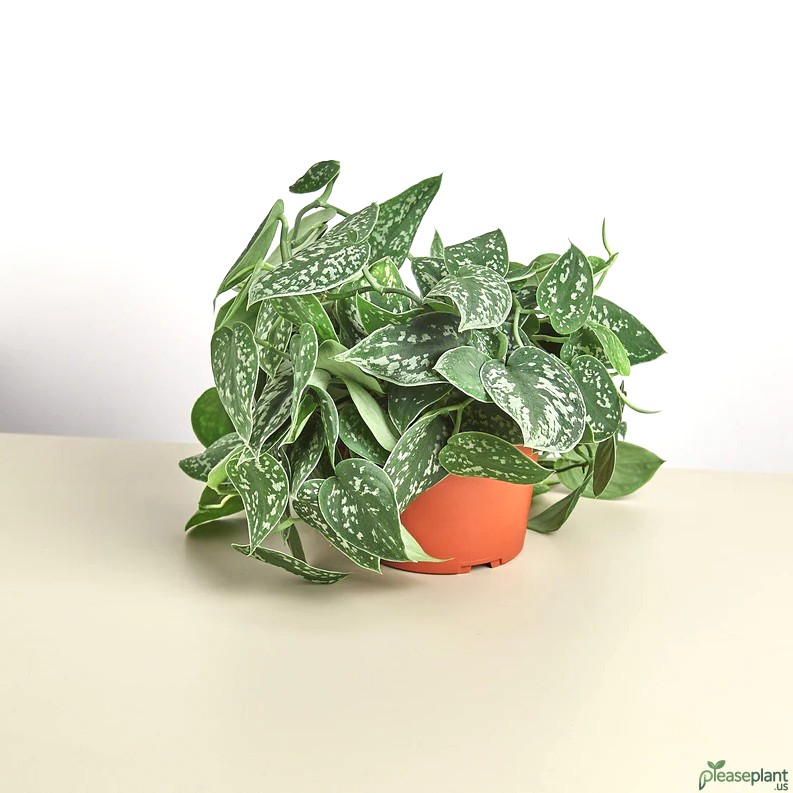
If you’re like me, drawn to the shiny, silver-speckled leaves of the Photos Satin or Pictus Plant, you might worry about your cats or dogs nibbling on them. I remember when I first got mine, my tabby was eyeing it like it was a new toy. Turns out, Satin Pothos contains calcium oxalates, which are mildly toxic to pets if chewed. Not the end of the world, but definitely something to watch out for.

What Happens If Your Pet Chomps on a Satin Pothos?
From personal experience and a few frantic calls to the vet, a pet that munches on a Satin Pothos might show drooling, mild irritation in the mouth, or even some vomiting. It’s no poison panic, but keep an eye on them. Most times, they’ll be just fine, but better safe than sorry. Pro tip: place your plant in a spot that’s hard to reach for the four-legged explorers.

Caring for Your Photos Satin in a Pet-Friendly Home
Now, don’t let the toxicity scare you away. Satin Pothos is quite forgiving and thrives indoors with moderate indirect light and occasional watering. From my own mishaps (yes, I once overwatered and almost drowned it), this plant loves a well-drained soil mix. And if you want to keep your pets off the leaves, a little deterrent spray or a decorative barrier can work wonders. Plus, it’s a stunner that purifies the air and adds a lush vibe to any room.

Why Choose Photos Pothos Over Other Plants?
Compared to other houseplants, Satin Pothos is a solid choice for beginners. It doesn’t demand much fuss and can tolerate lower light levels better than many. Just remember, if you have hyperactive or curious pets, you might want to steer clear or get creative with placement. I once hid mine on a high shelf, only for my clever doggo to figure out a new climbing route! So, plan accordingly.

Final Thoughts on Pets and Satin Pothos
In the grand scheme, Satin Pothos is a lovely addition to your green collection but not without its quirks when pets are involved. If you’re pet-obsessed like me, balancing beauty and safety is key. Keep your Pictus Plant out of reach, watch for any signs of nibbling, and enjoy that shimmering foliage that makes your home pop. And hey, if a leaf goes missing now and then, chalk it up to your pet’s curious nature and move on. Happy planting and pet-proofing!
Recommended For You

Photos Satin - Pictus Plant

Photos Satin - Pictus Plant

Shop Now

Explore similar articles

Warning: Is Devil's Backbone Toxic to Pets and People?

Warning: Is Devil's Backbone Toxic to Pets and People?

The Variegated Devil's Backbone Euphorbia, also known as the Zig-Zag Plant, is a stunning addition to any home but comes with questions about toxicity. Is it dangerous for your curious pets or children? Let me share my experience and some useful tips to keep your loved ones safe while enjoying this unique plant’s charm. From its sharp zig-zag stems to the milky sap that can irritate skin, we’ll cover everything you need to know about this intriguing but potentially toxic plant.

How To Tell If Your Peperomia Ripple Red Is The Real Deal

How To Tell If Your Peperomia Ripple Red Is The Real Deal

Ever bought a Peperomia Ripple Red and wondered if it’s the real deal? You're not alone. Many plant lovers get tricked by lookalikes. This guide dives into how you can tell if your Peperomia Ripple Red is genuine, sharing practical tips from a seasoned gardener. From leaf texture to coloration nuances, we cover all you need to know to keep your indoor jungle thriving with authentic beauty.

Your African Mask is killing leaves - Heres the true reason why

Your African Mask is killing leaves - Heres the true reason why

If your beloved Alocasia Polly - African Mask Plant is dropping leaves like autumn in a hurry, you're not alone. This tropical beauty can be tricky, and the leaf loss often puzzles even seasoned plant lovers. The real culprit? Usually it's not just one thing, but a combo of environment and care mishaps. From overwatering to low humidity, let's unravel the mystery and get your plant thriving again. Here’s the truth behind those droopy leaves and how to bring back that striking glossy green.

Keep Your Birds Nest Fern Alive All Winter - Simple Steps

Keep Your Birds Nest Fern Alive All Winter - Simple Steps

If you think your Bird's Nest Fern is just another houseplant, think again. This fern demands a bit of love, especially in winter months. From the right humidity levels to watering techniques, keeping it alive through the chilly season is easier than you might believe. I've been there, watching those lush green fronds droop as the cold creeps in, but a few simple steps made all the difference. Let's dive into why this fern can be a bit tricky and how to keep it thriving when the frost bites.