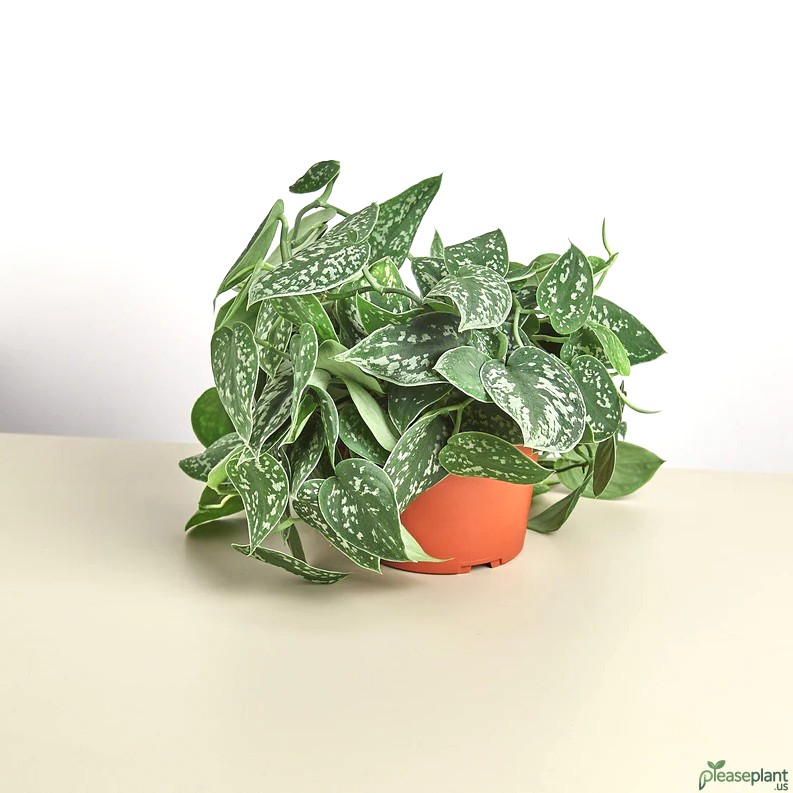
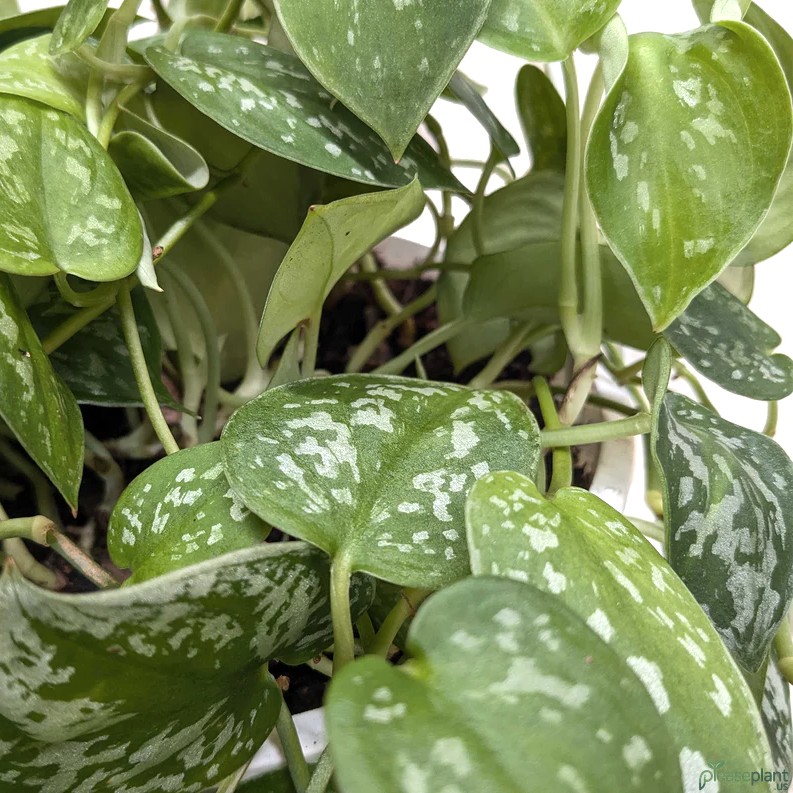
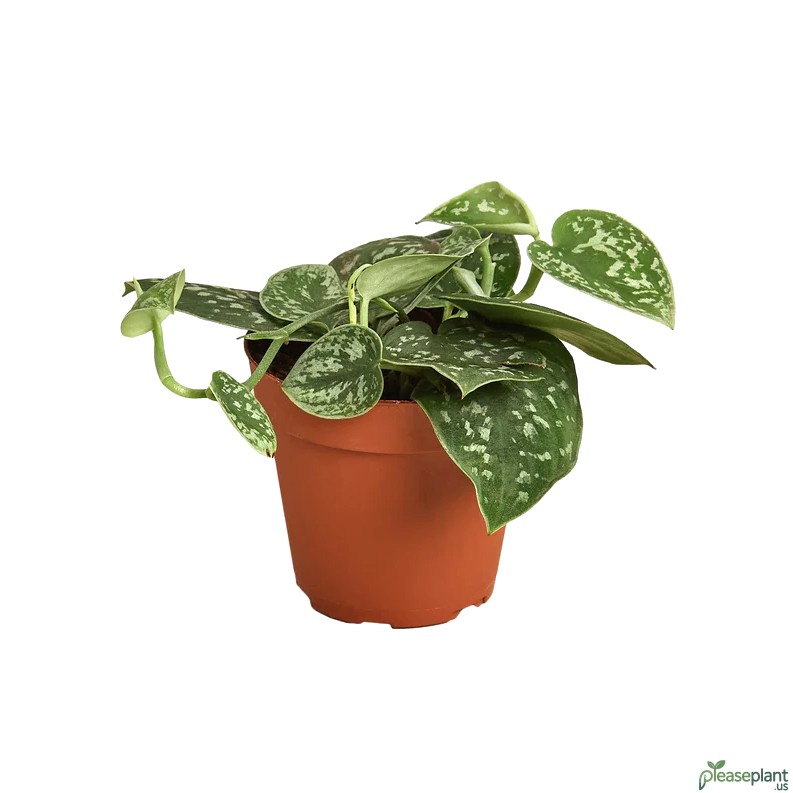
Photos Satin, also known as Pictus Plant, has quietly become a fav plant for folks wanting a touch of nature indoors. Its striking leaves and air-cleaning powers make it a gem for beginners and seasoned plant lovers alike. But does it really help clean indoor air? I'll share my experiance, some quirks, and tips for keeping your Satin Pothos thriving. Whether your place is dim or bright, this plant adapts well and offers more than just aesthetics. Here's what you need to know to breathe easy with a Photos Satin in your home.
Let Me Tell You Why Photos Satin Captures Hearts
If you're like me, always sneaking a lil' plant into your space, then the Photos Satin - Pictus Plant might already be on your radar. That emerald canvas with silver splashes isn't just pretty; it’s a survivor. Originating from the tropical jungles, this plant has made its way into our homes, proving it can handle a bit of neglect and still look fab. I remember buying mine on a whim, thinking it was just another leafy friend, but it quickly became a highlight of my windowsill.
Can Photos Satin Actually Clean The Air?
Now, here’s the juicy bit. Folks rave about plants cleaning indoor air, but does the Satin Pothos really do the job? Well, it's not magic, but studies, including NASA's famous clean air experiment, have shown that plants like Pothos can reduce airborne toxins such as formaldehyde and benzene. The Satin variety shares these traits, helping filter your air while you sip your morning coffee. That said, don’t expect it to replace your air purifier, but it sure gives the room a fresher vibe.
Caring For Your Pictus Plant: Tips From The Trenches
Unlike some prima donna plants, the Satin Pothos is chill. It prefers indirect light – too much sun and those beautiful leaves get scorched, too little and it sulks with slower growth. Watering? Easy peasy. Let the top inch of soil dry out before giving it a drink. Overwatering is the biggest killer here, so patience is key. Oh, and don’t forget to wipe those dusty leaves now and then; they need to breathe too!
Common Problems and How To Avoid Them
Like any green buddy, Photos Satin has its quirks. Sometimes, you might spot yellowing leaves or a sad droop, usually a sign of overwatering or too much direct sunlight. Pests are rare but aphids and spider mites can show up if you’re not careful. A quick wipe with soapy water or neem oil usually does the trick. Also, watch out for leggy stems – a sign it’s craving more light. Don't fret, a good trim and better placement will pep it right up.
Why This Plant Is Perfect For Beginners
If you're new to houseplants, the Pictus Plant is basically your green buddy who won’t judge your forgetfulness. It handles a range of conditions and looks stunning whether placed on a shelf, hanging basket, or desk. Plus, its air-purifying perks are a sweet bonus. I've seen people turn their dreary spaces into cozy corners with just a Photos Satin and a bit of love. It's affordable, low-maintenance, and a real conversation starter – what more could you ask for?
Final Thoughts: Breathe Easy, Decorate Bravely
So, does the Photos Satin - Pictus Plant clean your air? It helps, yes, by absorbing some toxins and boosting humidity, making your room more pleasant. But its real magic lies in its beauty and resilience. If you’re after a plant that’s both a looker and a low-fuss air helper, this is it. Just remember to keep it happy with the right light and watering habits. In the grand scheme, you get a bit of nature indoors and a plant that rewards you with lush leaves and cleaner air. Not bad for a few bucks and a little care!