The Golden Pothos, also known as Devil's Ivy, is a favorite for many indoor gardeners due to its resilience and striking trailing vines. But just how long can these vines grow indoors versus outside? And what factors influence its ultimate size? I've been growing pothos for years, and I'll share practical tips from personal experience on managing vine length, ideal conditions, and what to expect from this hardy climber. Whether you're a newbie or have some green thumbs, understanding the growth potential of Golden Pothos will help you keep it thriving and looking lush.
Let me tell you about my vine journey with Golden Pothos
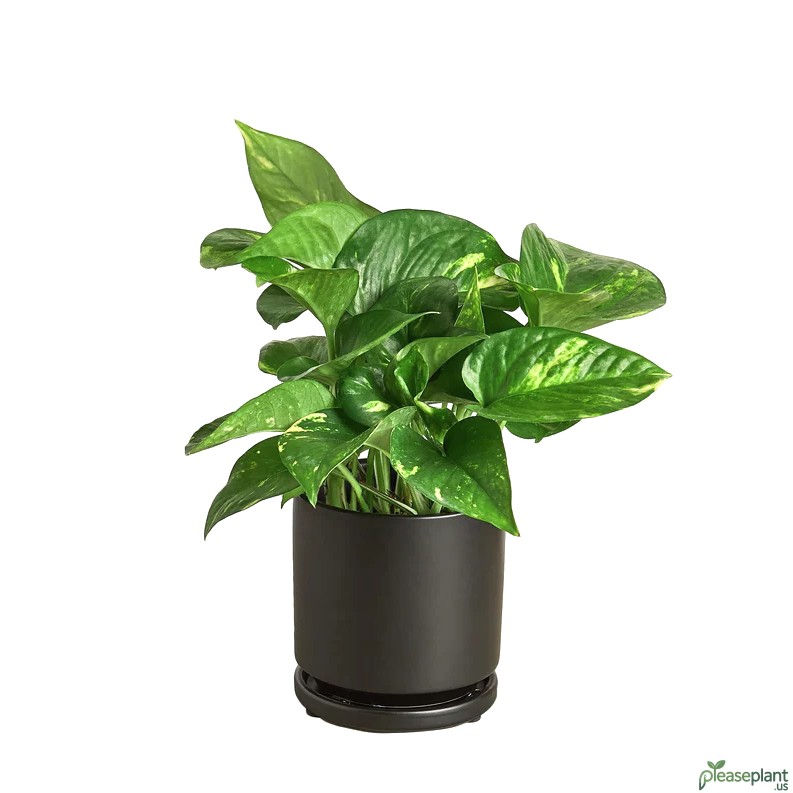
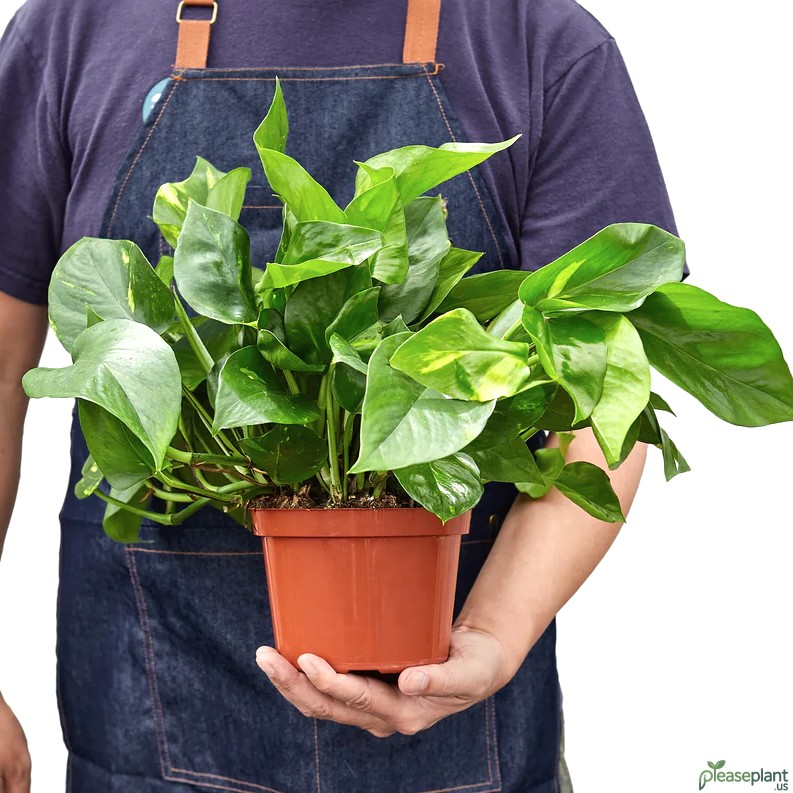
Ever since I brought home my first Golden Pothos - Devil's Ivy Plant, I was hooked by its lush, heart-shaped leaves and ability to thrive even when I occasionally forgot to water it. This plant is the definition of forgiving. But what caught me most was its potential to grow vines that seem to go on forever! Indoors, I've seen my vines trail anywhere from 6 to even 10 feet if conditions are right. Outdoors, if you're lucky enough to live in a mild climate, those vines can stretch much longer, sometimes exceeding 20 feet as they climb fences or trees.
What determines how long your pothos vines get?
The max length of your Golden Pothos vines indoors or outdoors boils down to a few things. Light is king here; brighter indirect light encourages faster, longer growth. In darker corners, expect slower extension and shorter vines. Water and humidity also play big roles. Pothos love their moisture but hate soggy roots. Keep the soil lightly moist and the humidity moderate, and your vines will thank you with vigorous growth. I've noticed that when my place gets too dry in winter, the growth almost grinds to a halt, and the vines stay stubby.
Managing and training your pothos vines
If you want your Devil's Ivy to grow long but neat, you gotta get creative. I started clipping my vines to encourage bushier growth rather than endless spaghetti strands everywhere. You can also train them on a trellis or moss pole indoors to save space and show off those glossy leaves. Outdoors, they’ll happily grab onto anything nearby and just keep climbing and sprawling. Just don’t let them become too wild, or you might find yourself battling a jungle in your own home.
common pitfalls to avoid
One thing I've learned the hard way is not to overpot or overwater. While pothos are tough, soggy roots stunt vine length and cause leaves to yellow. Also, don’t expect them to grow like crazy in a dark hallway; they’ll survive but won’t become the vine monsters you dream of. And one last tip: be patient. These plants grow steadily but not overnight. Give them time, and soon enough, your walls will be dripping with those iconic golden-green vines.
The vine potential verdict
All in all, the Golden Pothos - Devil's Ivy Plant is a champion climber and trailblazer in the plant world. Indoors, expect up to 10 feet of vine length with proper care, and outdoors, in the right zones, it can go even further. Whether you want a hanging basket overflowing with greenery or a climbing companion for your fence, this plant adapts and dazzles. Just remember, a bit of light, regular watering, and some vine management will keep your pothos happy and growing strong.
![Repotting a Lemon Lime Maranta / Step-by-Step [Bonus: Is it cat/dog safe?]](/maranta-lemon-lime-5.jpg)