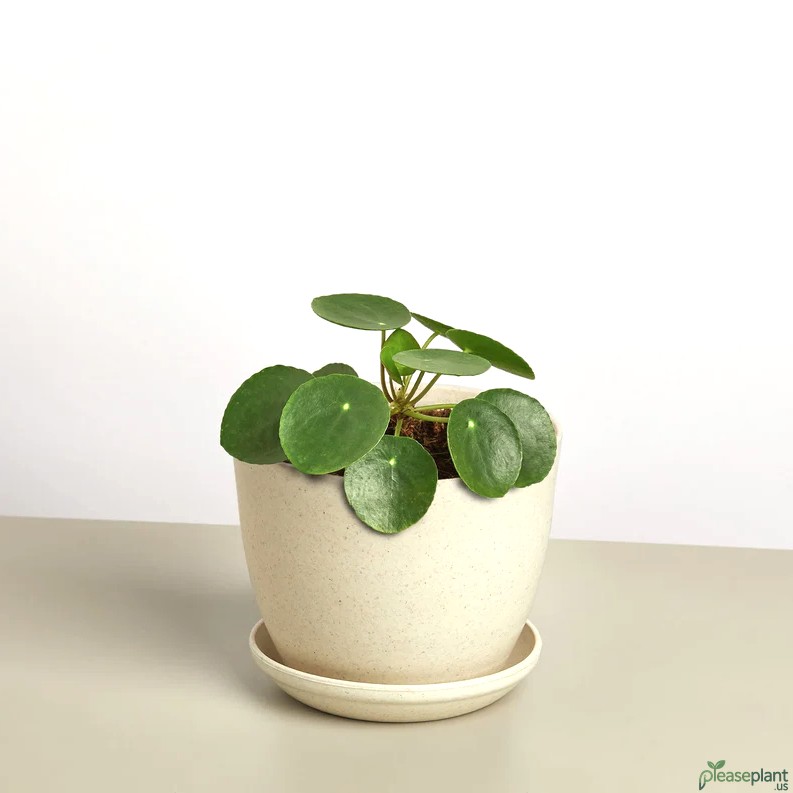
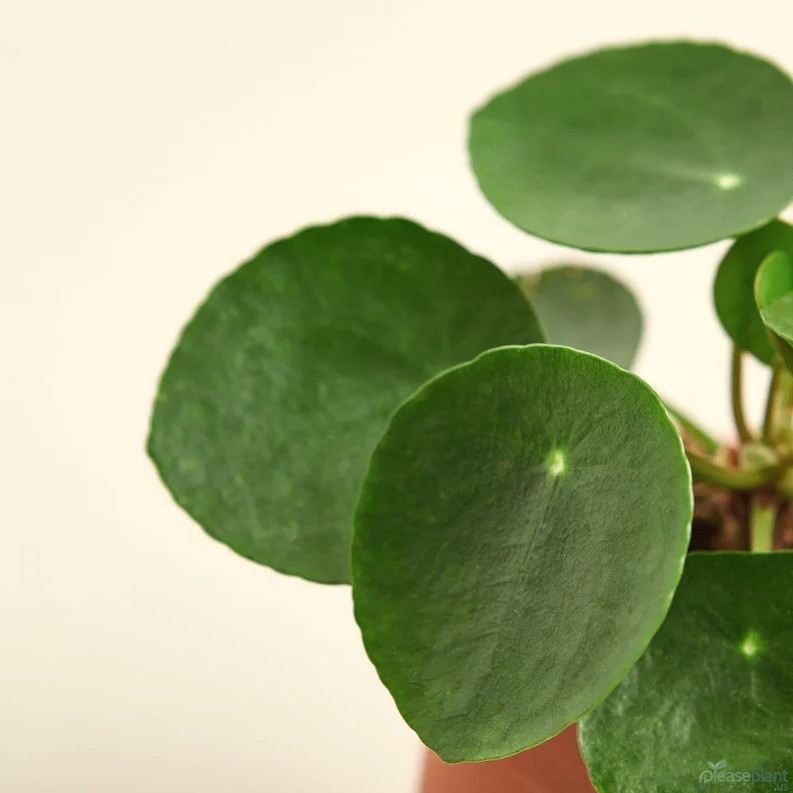
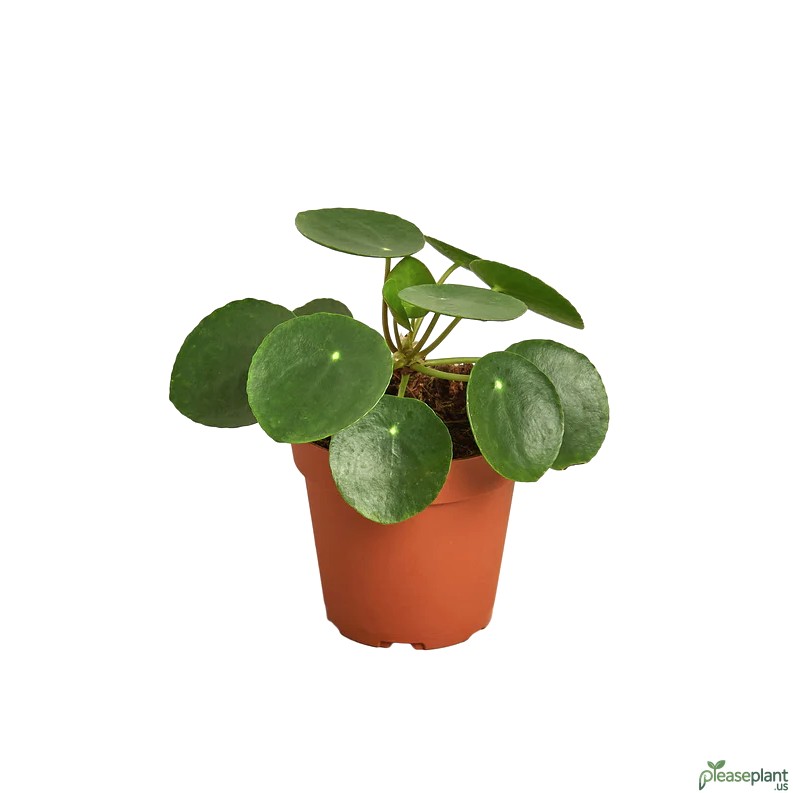
The Chinese Money Plant, or Pilea Peperomioides, isn't just a trendy houseplant; it carries a rich spiritual meaning and a story that many don't know. Known for its round, coin-like leaves, it symbolizes prosperity and luck. But how to care for it without killing it in the first week? Let's dive into the quircks of this plant and why so many people swear by its good vibes around the home.
Let Me Tell You About the Chinese Money Plant
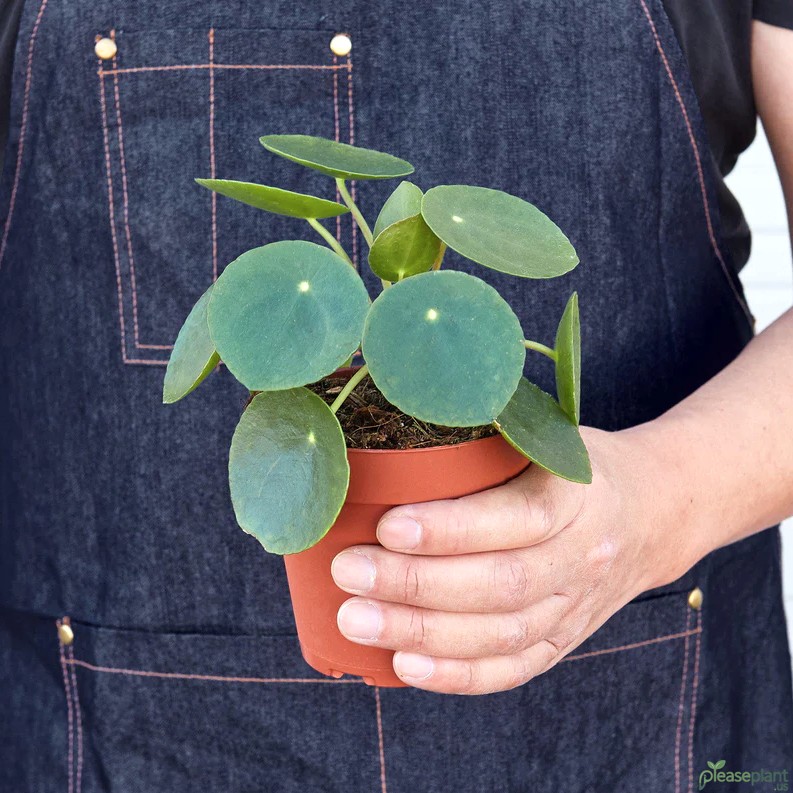
If you’ve ever wandered into a plant shop and got mesmerized by a little green plant with perfectly round leaves looking like tiny coins, congratulations, you’ve met the Pilea Peperomioides — or as everyone calls it, the Chinese Money Plant. It’s not just a pretty face, this plant comes with a spiritual story that’s as rich as the soil it grows in. Legend says it brings fortune and prosperity, making it a favorite among those who believe in the power of greenery to change the vibes of a space.
Why Does the Chinese Money Plant Matter Spiritually?
People often ask, "Why does this plant symbolize money?" Well, it’s mostly because of its circular leaves that look like ancient Chinese coins, complete with a hole in the middle. This plant is said to attract wealth, good luck, and positive energy into your home. Honestly, it’s like having a tiny money magnet sitting on your windowsill! I’ve had mine by the kitchen window for years, and while I can’t promise you a lottery win, it definitely makes the room feel alive and hopeful.
Caring for Your Lucky Green Friend
Now, don’t get me wrong, the Pilea Peperomioides isn’t a high-maintenance diva, but it does have its quirks. It likes bright, indirect light — so don’t throw it in direct sun unless you want those cute leaves to get scorched. Water it when the top inch of soil feels dry; overwatering is the quickest way to turn your money plant into a sad, droopy mess. Also, it’s a bit sensitive to cold drafts, so keep it away from chilly windows or air conditioners.
And oh, the propagation" class="text-primary hover:underline">propagation! This little fella loves to send out baby plants from its roots, which means you can share the luck with friends or expand your collection. Just snip the pups, pot them up, and watch your green empire grow.
Problems and What to Avoid
Just like any plant, the Chinese Money Plant isn't perfect. Watch out for yellowing leaves, which usually scream "too much water!" or "not enough light!" Also, pests like spider mites can occasionally crash the party, so keep an eye out. I remember once, after ignoring a few brown spots, my plant looked like it was giving up on life, but a quick rinse and better light fixed it right up.
Why You Might Want One
If you’re on the fence about adding this plant to your collection, think about the vibe it brings. It’s not just about looking good; it’s about a little daily dose of positivity. Plus, it’s a fantastic conversation starter — people always ask about those quirky round leaves. So if you want a plant that’s both a symbol of prosperity and a low-key companion, the Chinese Money Plant might just be your new best green buddy.