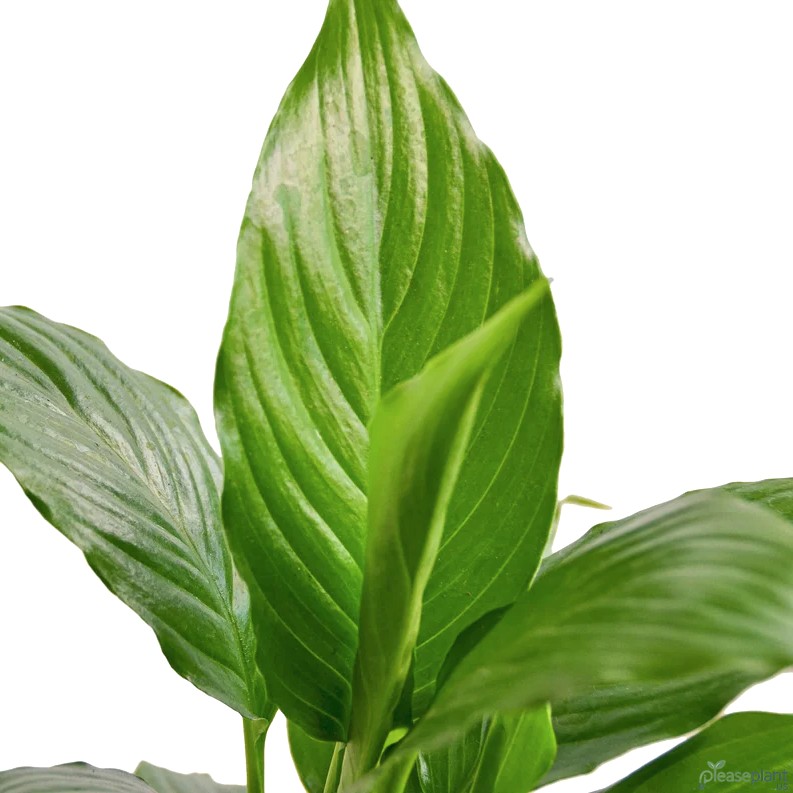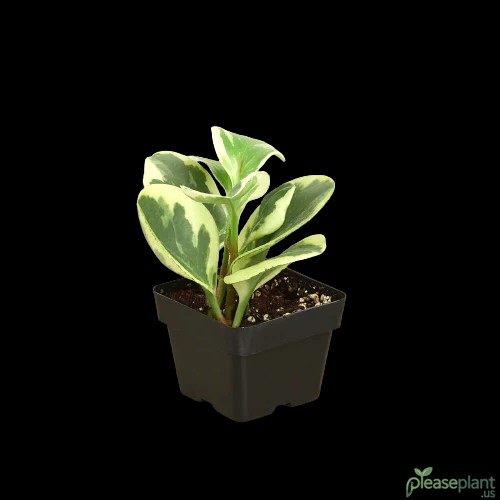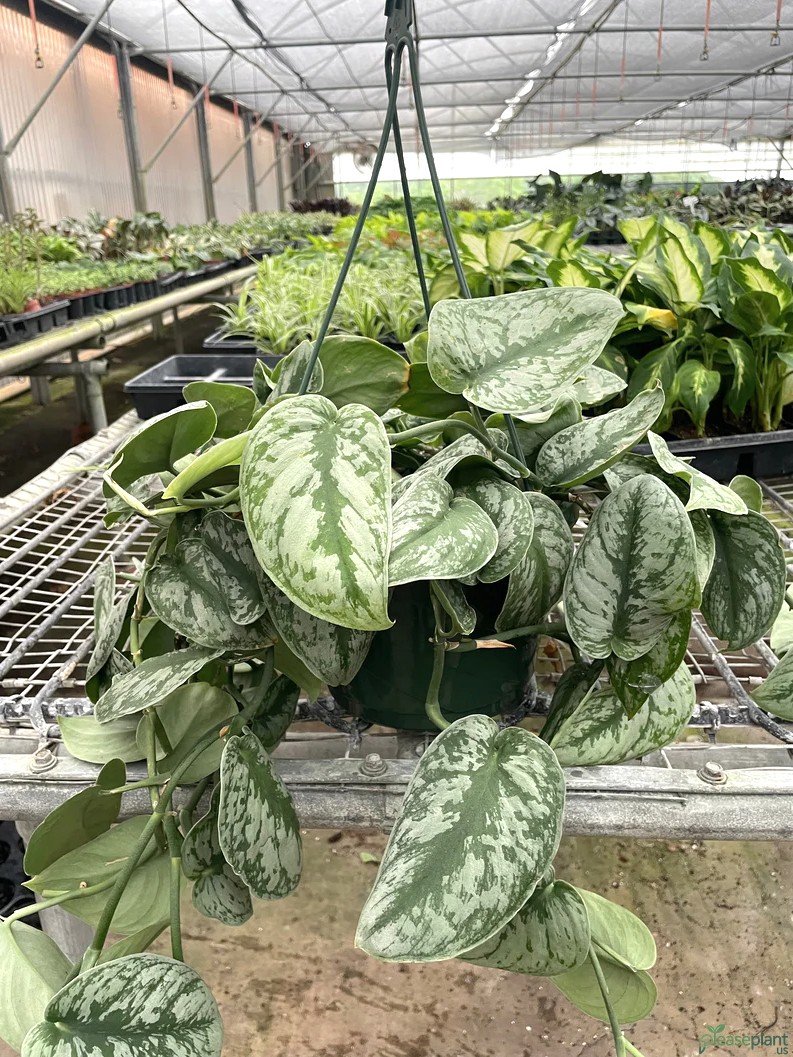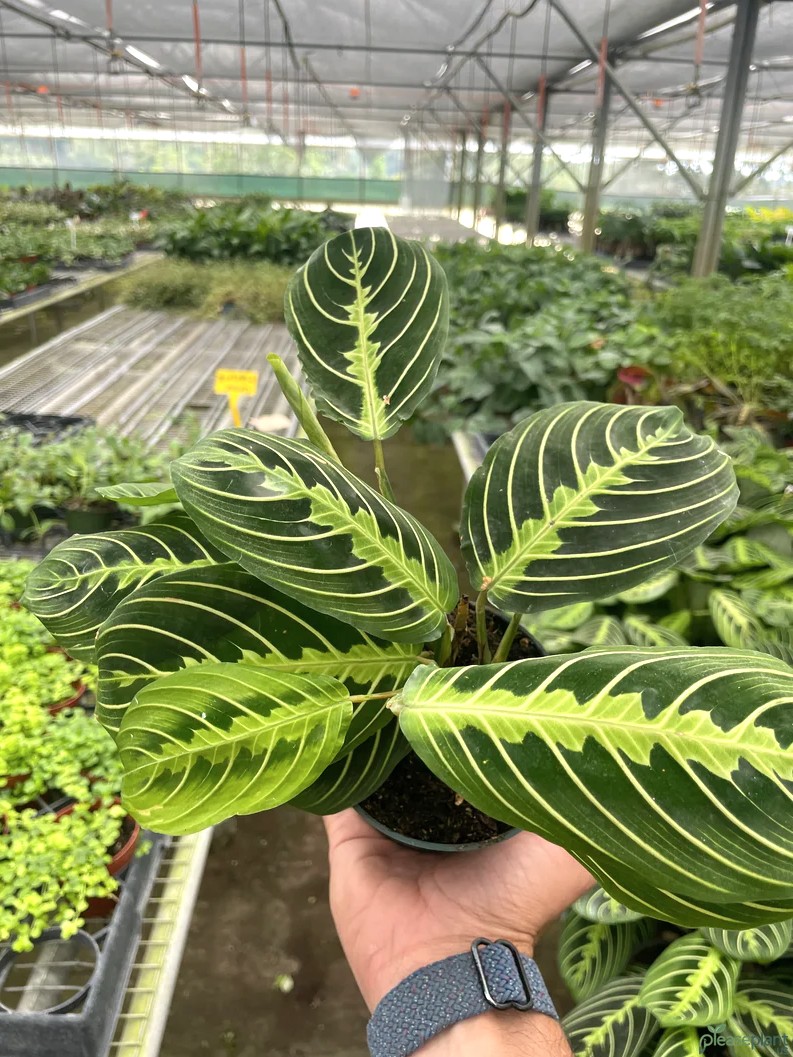
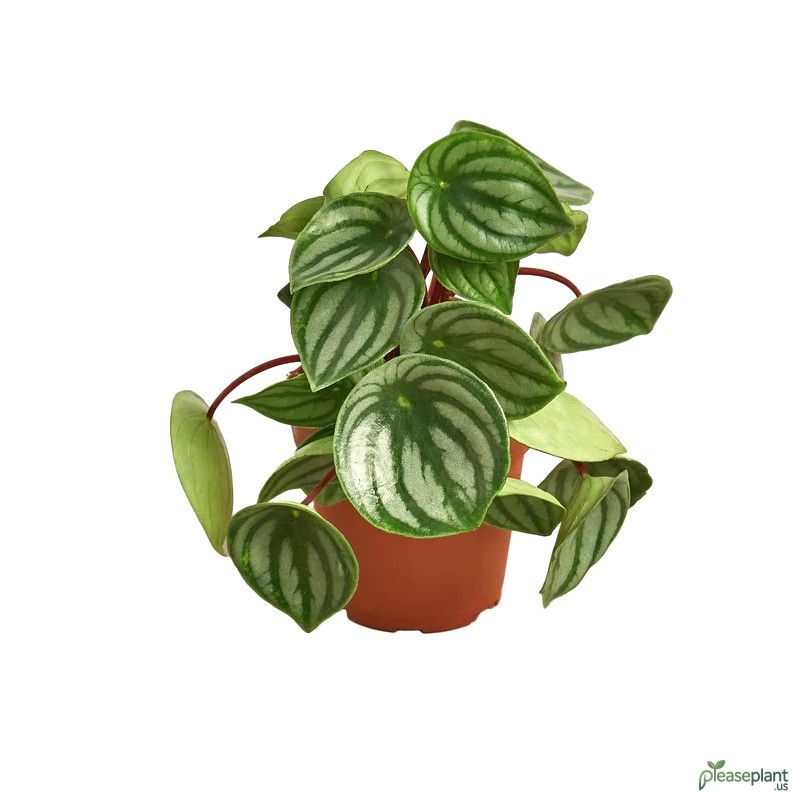
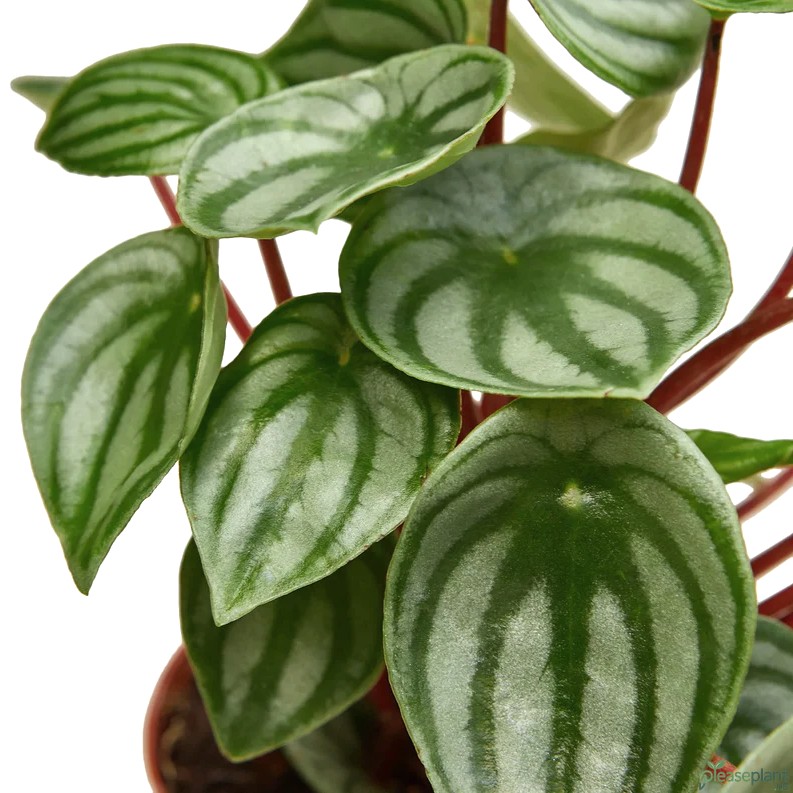
If you're a pet lover with a green thumb, you'll be glad to hear the Peperomia Watermelon - Argyreia Plant is totally safe around your furry pals. But before you rush to decorate your home, there are a few quirks and tidbits every plant parent should know. From its charming watermelon-like leaves to pet safety secrets, let's dive into what makes this plant a beloved choice for pet-friendly spaces.
Let Me Tell You About This Plant
Ah, the Peperomia Watermelon - Argyreia Plant – sounds fancy, doesn’t it? But honestly, it’s one of those houseplants that sneaks its way into your heart with its quirky striped leaves that look like tiny watermelons—no, really! Now, if you have pets, the first thing you wanna know is whether this green buddy is gonna cause trouble for your cats or dogs. Spoiler alert: it’s 100% safe! No toxic drama here, just pure leafy goodness.
Why Is It Safe for Pets?
I’ve had a few close calls with plants in the past where my curious cat decided to take a nibble, and trust me, it wasn’t pretty. But with the Peperomia Watermelon, you can breathe easy. It’s non-toxic to both cats and dogs, so even if they get a little nibble-happy, they won’t suffer any nasty side effects. This is a big win for pet owners who want to keep their homes green without stressing about vet visits.
But Wait, There’s a But...
Just because it’s safe doesn’t mean it’s a free-for-all buffet for your pets. The leaves, while non-toxic, can upset their tummies if eaten in large amounts. So, if your furry friend is the type that munches on everything in sight, you might want to keep the plant a little out of reach or offer some distractions like cat grass. Also, the plant’s delicate leaves can bruise and wilt if chewed on too much, and honestly, it’s a bit sad to see those lovely stripes ruined.
Caring for Your Watermelon Peperomia
This plant is a low-maintenance champ, perfect for those of us who occasionally forget to water or tend to overthink plant care. It prefers indirect light, so a cozy corner near a window is just right. Water it moderately—too much water and the roots might feel like they’re drowning; too little and the leaves get crispy edges. It’s like Goldilocks, but for plants! And don’t freak out if the leaves look a bit wrinkled; sometimes it just means it’s thirsty and needs a drink.
My Experience With This Plant and Pets
I remember when I first brought home a Peperomia Watermelon, my dog was suspicious but didn’t go all-in on munching it like with my snake plant (which is a big no-no around pets!). Over time, they learned to ignore it, probably because it doesn’t taste like much. It’s kinda like having a silent, green roomie that doesn’t ask for much and doesn’t cause trouble – just the way I like it.
Final Thoughts
So if you’re juggling pet safety and your plant obsession, the Peperomia Watermelon - Argyreia Plant is a stellar pick. It’s safe, attractive, and pretty chill to care for. Just keep an eye on your eager chewers and your plant will thrive, adding that splash of leafy charm to your home without any pet-related worries. Go ahead, get yourself one of these, your pets will thank you—or at least not get sick, which is basically the same thing.