Is Silver Splash Pothos Toxic to Cats? Real Concern or False One?

Wondering if the Silver Splash Pothos is toxic to cats? Let's dive into the real risks and safety tips for your curious feline friends.

Pothos Silver Splash toxicity Silver Splash Pothos cats houseplants safe for cats cat plant poisoning indoor plants toxic to pets
Is Silver Splash Pothos Toxic to Cats? Real Concern or False One?

So you got yourself a Silver Splash Pothos and a curious cat prowling around? The big question is: is this plant actually toxic to cats or just an internet myth? From my years of dealing with all sorts of houseplants and cats who seem to think they’re ninjas, I’ll break down the facts, common worries, and how to keep your feline pals safe without giving up on your leafy green buddies.

Let Me Tell You About My Cat and the Silver Splash Pothos
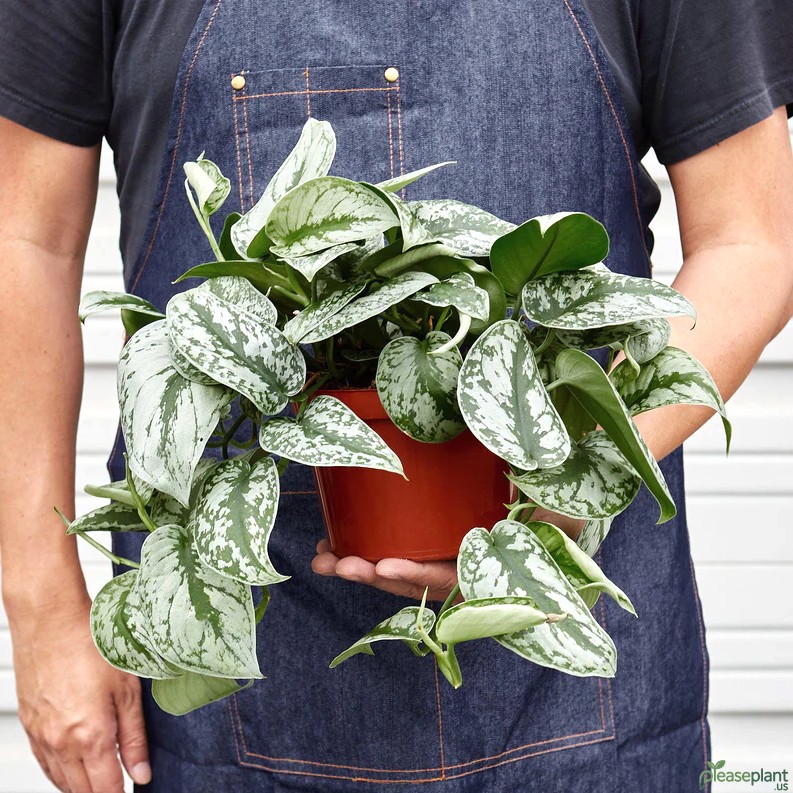
When I first brought home a Silver Splash Pothos, my tabby, Mr. Whiskers, treated it like a new toy. You know cats, always ready to chew on something green, no matter the warnings. I wondered, "Is this plant actually toxic to cats?" Turns out, Pothos plants contain insoluble calcium oxalates that can cause mild irritation if nibbled on. Not the kind of thing that’ll send you running to the vet at midnight, but definitely enough to make your cat drool or paw at its mouth for a bit.

What Does Toxic Mean for Cats? Real Concern or Just Hype?
The internet loves to blow things out of proportion, and when it comes to plants, Silver Splash Pothos often gets a bad rap. Yes, it’s technically toxic, but not deadly. The symptoms are usually mild: drooling, slight vomiting, or irritation. If your cat is the adventurous, munching type, it might get a bit of discomfort, but serious poisoning? Nah, rare as hen’s teeth. Still, better safe than sorry, right?

How to Keep Your Curious Cats Safe Without Ditching Your Pothos
From my experience, the best way to keep everyone happy is to place your Silver Splash Pothos out of your cat’s reach, say on a high shelf or hanging basket. Cats are sneaky climbers, so make sure it’s not just out of paw range but also out of jump range. If your living room is a jungle gym, try using deterrents like citrus peels nearby – cats hate that smell. And if your furry friend does nibble on leaves, watch for signs of irritation and call your vet if symptoms worsen.

Is There a Safer Alternative for Cat Owners?
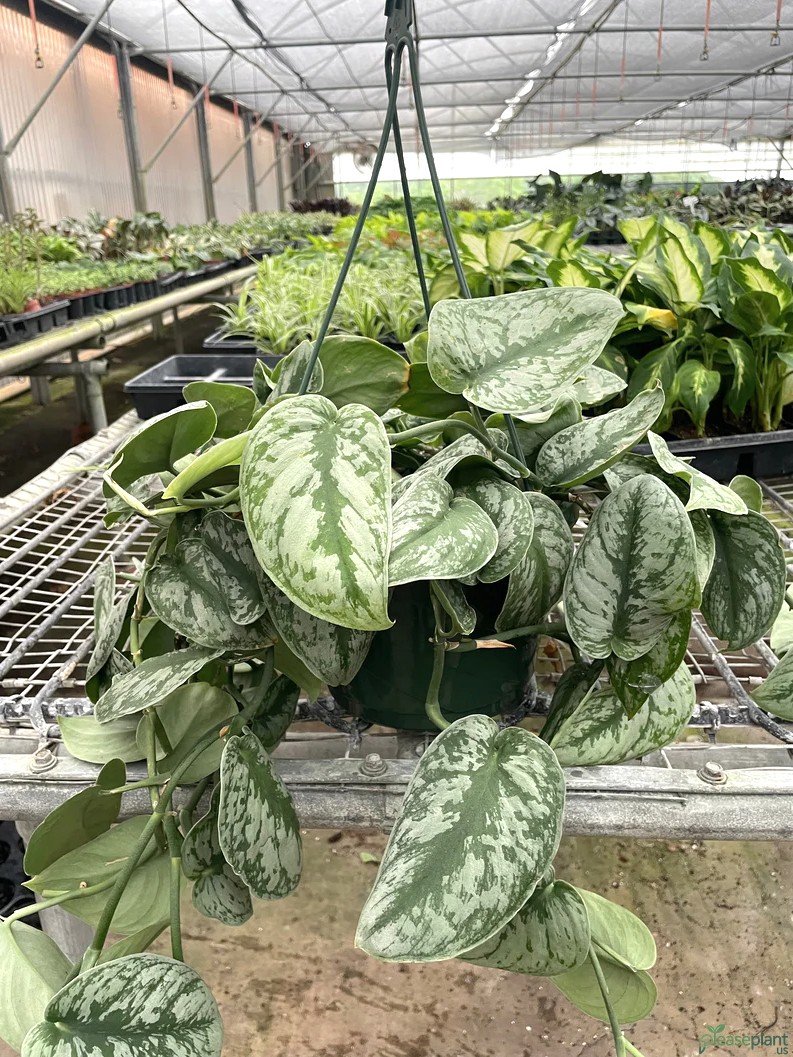
If you’re still jittery about the toxicity of Silver Splash Pothos, consider swapping it out for cat-safe options like spider plants or Boston ferns. These greens won’t cause the mouth drama and let your cats indulge their plant curiosity safely. But hey, if you’re like me, and love the look of that silvery variegation, just take precautions and enjoy your indoor jungle.

Final Thoughts on Silver Splash Pothos and Cats
So, the Silver Splash Pothos is toxic, but the risk is pretty mild unless your cat goes full-on chomper mode. It’s not the worst plant to have around pets, but not the friendliest either. Keep your cat’s health in mind, watch their behavior, and you can have both your green beauty and your feline friend coexisting with minimal drama. And if you ever catch your cat looking guilty next to the plant, well, you’re not alone – been there, done that!
Recommended For You

Pothos - Silver Splash Plant

Pothos - Silver Splash Plant

Shop Now

Explore similar articles

Raven and Zenzi: The Top ZZ Plant Varieties Revealed

Raven and Zenzi: The Top ZZ Plant Varieties Revealed

If you ever wondered which ZZ Plant variety stands out, let me tell you about Raven and Zenzi, two of the most popular Zamioculcas Zamiifolia types. These beauties aren't just pretty faces; they bring resilience and style to any indoor jungle. From my many years of nurturing these plants, each has its quirks and charms, perfect for beginners or those who want a low-maintenance green companion. Whether you want jet-black leaves or a compact form, Raven and Zenzi have got you covered.

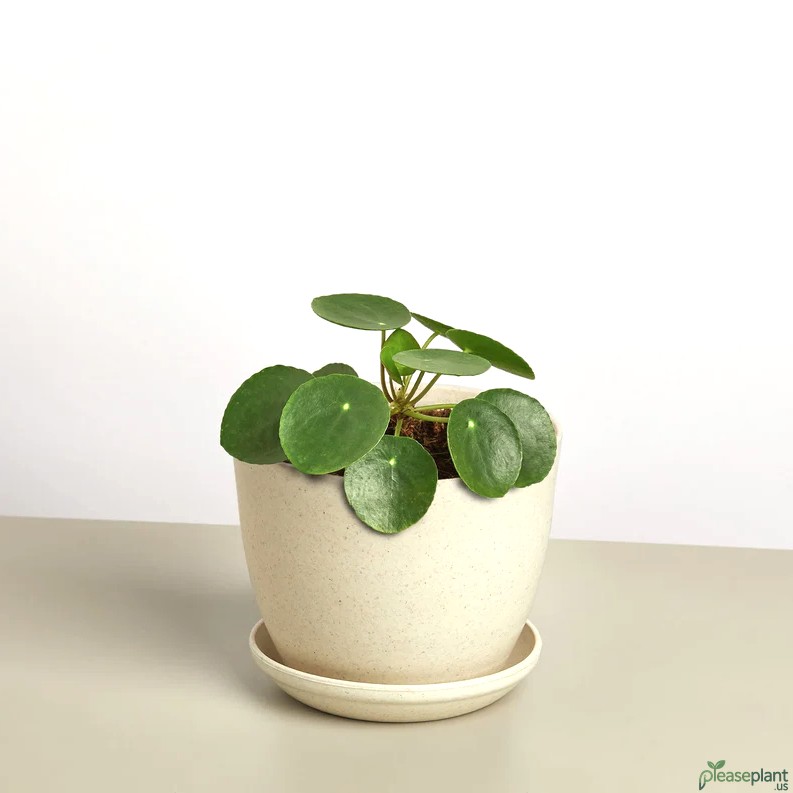
How to avoid making Chinese Money Plant toxic for cats and dogs

How to avoid making Chinese Money Plant toxic for cats and dogs

If you’re a proud owner of a Pilea Peperomioides, also known as the Chinese Money Plant, and you share your home with curious cats or dogs, you’ve probably wondered how to keep your beloved plant safe from becoming toxic to your furry friends. Pets tend to nibble on plants, and not all greenery is safe for them. Here’s a down-to-earth guide from someone who’s been there, helping you avoid the common pitfalls and keep both your pets and your plant happy.

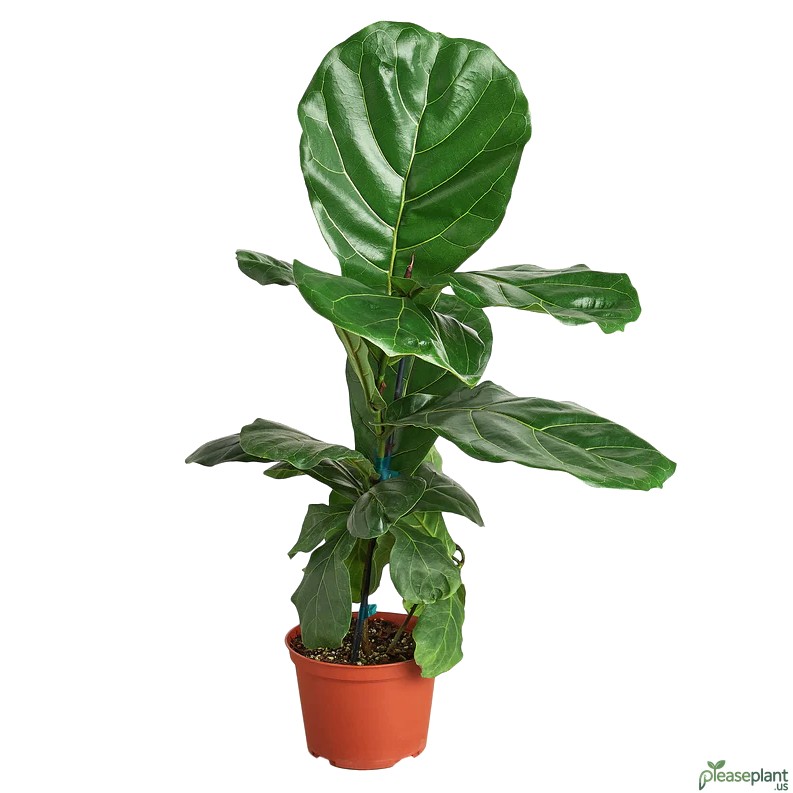
Ficus Lyrata Light Needs: Bright, Indirect Sun Secrets

Ficus Lyrata Light Needs: Bright, Indirect Sun Secrets

If you’ve ever wondered why your Ficus Lyrata isn’t quite thriving, chances are it’s the light situation. This finicky Fiddle Leaf Fig Plant demands bright, indirect sun but not the harsh stuff that fries its shiny leaves. Let me tell you, getting the light balance right is an art. Too dark and it sulks, too bright and it scorches. I’ve seen plenty of folks struggle, but with a few simple tricks and some patience, your Fiddle Leaf Fig will be the star of your indoor jungle.

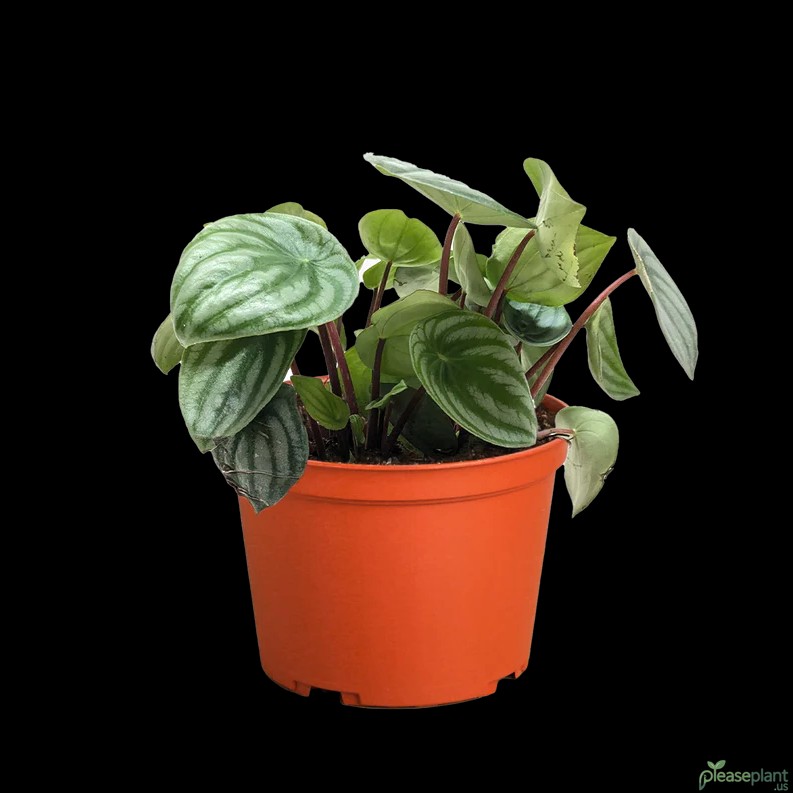
Naming Confusion: Watermelon Peperomia vs Watermelon Begonia

Naming Confusion: Watermelon Peperomia vs Watermelon Begonia

Ever stumbled upon the Peperomia Watermelon and wondered if it's the same as the Watermelon Begonia? You're not alone. These two plants often get mixed up because of their similar leaf patterns, but trust me, they’re quite different once you dig a bit deeper. In this guide, I’ll share my personal tips on spotting the real Peperomia Watermelon — also known as the Argyreia plant — and how to keep it thriving. Let’s clear the fog around these juicy names and get your green space looking sharp and healthy.