Is the Snake Plant Laurentii really a natural air purifier? Many swear by its ability to remove formaldehyde, but what's the truth? I’ve had this spikey companion on my windowsill for years, so let me share what I’ve found about its air-cleaning powers and some things you might not expect. Whether you’re a plant newbie or just curious, this will help you suss out if this popular plant deserves a spot in your home.
Let me tell you about my verdant buddy
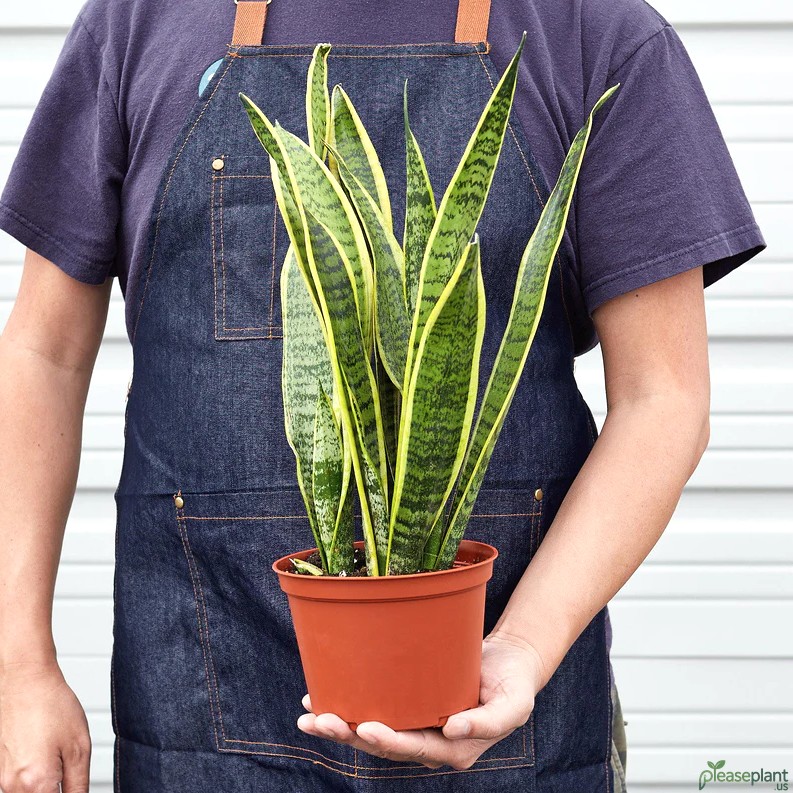
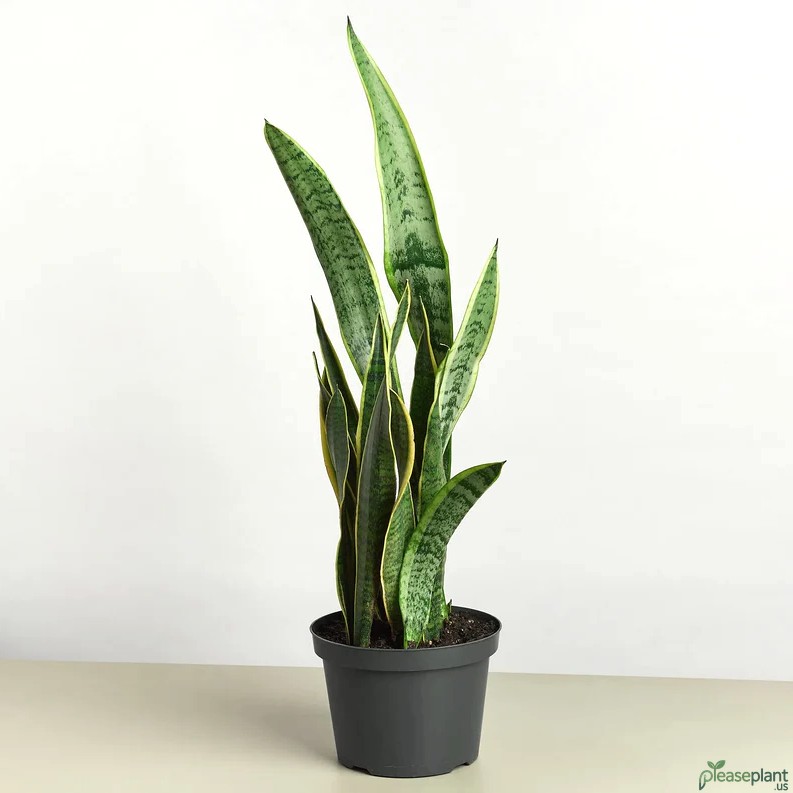
Ah, the Snake Plant Laurentii, also known as the mother-in-law's tongue. It’s like that quiet neighbor who doesn’t fuss much but is always there when you need 'em. I remember buying my first one from a dusty corner in a local garden shop, intrigued by its sharp, upright leaves striped with yellow edges. The claim? It cleans indoor air by removing formaldehyde and other toxins. But does it really?
What’s all the fuss about formaldehyde?
Formaldehyde is sneaky stuff – a volatile organic compound found in furniture, paints, and even some fabrics. It’s one of those indoor pollutants that can cause headaches, irritation, or worse if left unchecked. So naturally, people look for easy, green solutions like houseplants to tackle it.
Snake Plant Laurentii: The air purifier myth busted or not?
Research like NASA’s famous clean air study from the ’80s gave the Snake Plant Laurentii a big thumbs up for removing formaldehyde in sealed chambers. But here’s the catch: real-life rooms aren’t sealed, and the plant’s air filtering happens sloooowly. If you’re expecting a snake plant to magically erase formaldehyde after a couple of days, you’ll be sorely disapointed.
Still, it does contribute a bit by absorbing some toxins through its leaves and roots. It’s like having a tiny, persistent cleaner that never complains about lack of water. But don’t count on it as your sole defense against chemical pollutants!
Practical tips from my plant adventures
- Placement matters: Put your Snake Plant Laurentii in a spot with indirect light; it’s tough but prefers some brightness.
- Don’t overwater: These plants are desert-dwellers and hate soggy roots. Overwatering is the fastest way to kill your air-purifying buddy.
- Combine with ventilation: No plant can replace fresh air. Open a window here and there to keep things fresh.
- Add more plants: If you’re serious about air quality, a single snake plant won’t cut it. Mix in other air-purifying plants like spider plants or peace lilies.
The unexpected perks
Besides battling formaldehyde, the Snake Plant Laurentii is nearly indestructible, making it perfect for beginners or folks with a busy lifestyle. It also releases oxygen at night, which most plants don’t, so it’s great for bedrooms.
What to watch out for
While usually trouble-free, some pets might find the leaves tasty, and ingestion can cause tummy upsets. Also, the plant’s sharp tips are not exactly child-friendly if you’ve got curious little ones running around.
Wrapping up my snake tale
So does Snake Plant Laurentii remove formaldehyde? Yes, but not like a high-powered air purifier. It’s more like a quiet helper in your home’s ecosystem. If you want a low-maintenance plant with some air-cleansing perks, it’s a solid choice. Just don't expect miracles, and keep those windows cracked open!