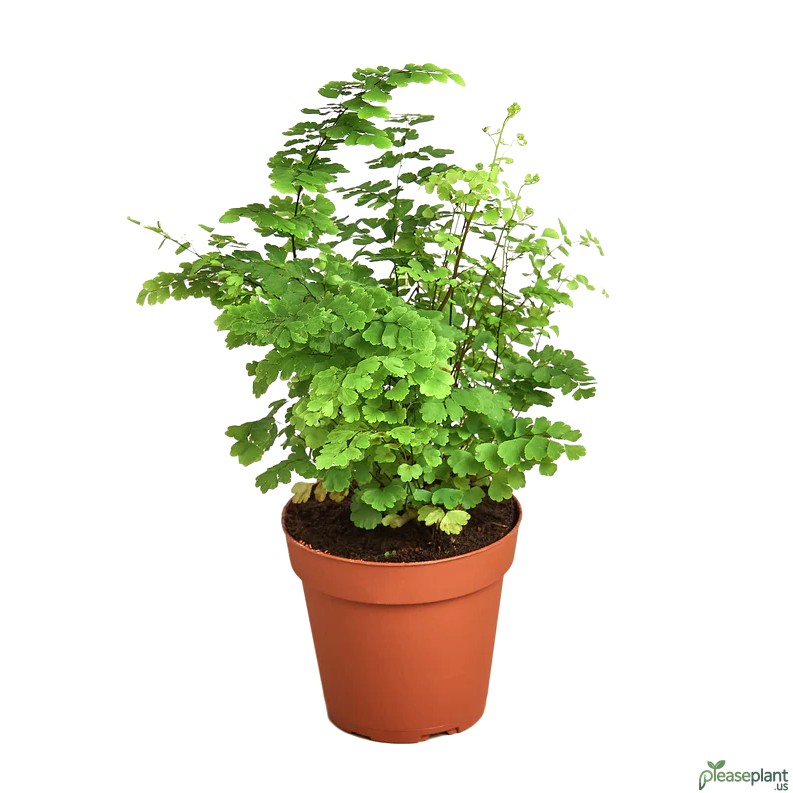
Wondering if the Maidenhair Fern, or Adiantum raddianum, is invasive? Many gardeners love its delicate fronds but worry about its spread. From my years of gardening experience, I’ll share insights on how this fern behaves in your garden, its impact on local landscaping, and what you can do to keep it in check. It's not just about looks—understanding its growth habits helps you avoid surprises and maintain a healthy, balanced garden space.
Let Me Tell You About Maidenhair Fern
If you've ever stumbled upon a Maidenhair Fern in a shady corner, you know it's got this delicate charm that could brighten up the dullest spots. The Adiantum raddianum, to give it its full name, is like the shy artist of the fern world—soft, graceful, but not exactly the garden bully everyone fears. But is it invasive? That’s the burning question.
Is Maidenhair Fern Invasive or Just Persistent?
From my experience, this fern isn’t the kind to take over your garden like some unruly weed on steroids. It tends to spread slowly through rhizomes, which means it creeps rather than charges. Sure, if you plant it in ideal conditions—moist, shady, and rich soil—it’ll happily colonize that patch, but it respects boundaries more than your typical invasive species. I have seen it pop up where it’s not wanted, but it’s more a case of being a keen garden guest rather than a hostile invader.
landscaping impact: Friend or Foe?
Now, about the landscaping impact—honestly, Adiantum raddianum can be a fantastic addition if placed right. It loves to fill shady nooks and can soften the edges of rock gardens or pathways like nobody’s business. But if you slap it down in a sunny, dry spot, expect a sad, scraggly fern that whispers "I tried." It doesn’t outcompete native plants aggressively, so your local flora shouldn’t suffer unless you let it run wild without a care. The key is to monitor its growth and trim as needed. Don’t expect it to choke your other plants, but don’t treat it like it's wilted either.
Tips From My Garden: Keeping Maidenhair Fern in Check
If you’re thinking about adding this fern to your collection, here’s a little nugget of wisdom from my digging days. Plant it where there’s consistent moisture and shade, but don’t plant it where you want complete control over every inch of soil. If it starts to wander, a quick root pruning or dividing every couple of years keeps it in the lines. And for heavens sake, don’t ignore its watering needs—dry spells will have this fern sulking faster than a cat denied its saucer of milk.
Final Thoughts on Adiantum raddianum
This fern isn’t the invasive nightmare some make it out to be. It’s more like that guest who overstays their welcome if you’re not paying attention. With proper care and some occasional discipline, it can be a lovely, low-maintenance addition to your shade garden. So, if you want a fern that brings elegance without the invasiveness drama, Maidenhair Fern might just be your perfect gardening partner.