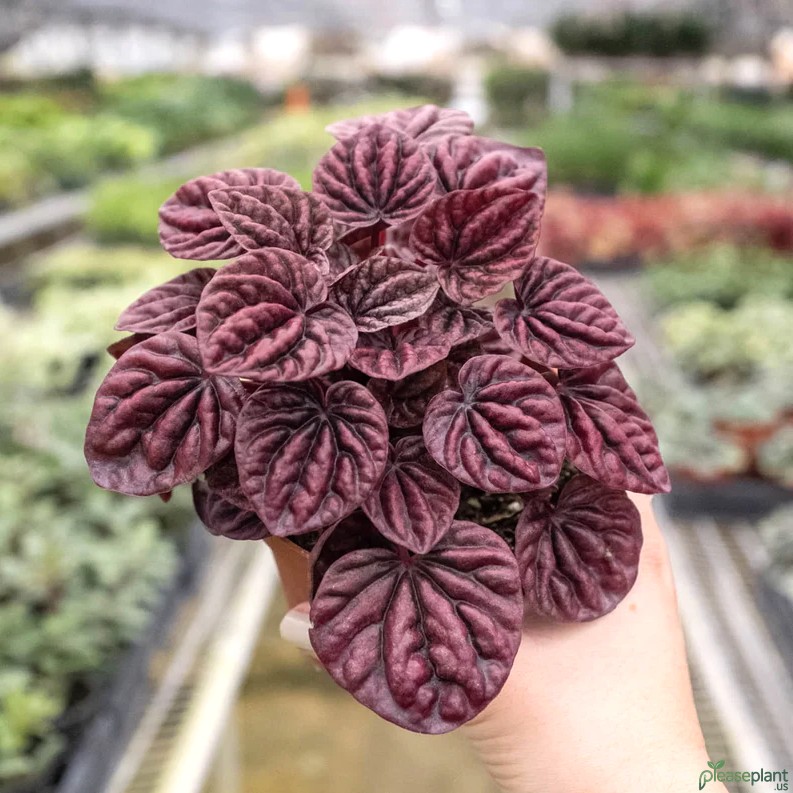
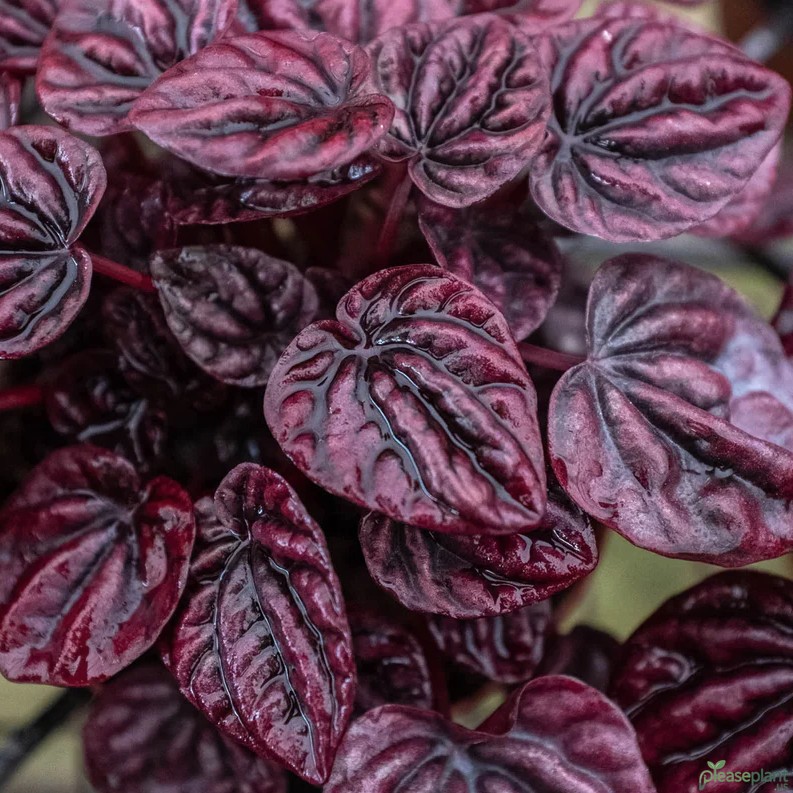
Peperomia Ripple Red is a charming plant, but leaf loss can be a real pain. From watering mishaps to light troubles, many factors cause this. Let me share what I’ve learned about keeping your Peperomia healthy and lush. It’s not rocket science, but it does need a bit of love and attention. With the right care, you’ll keep those vibrant red leaves full and happy. Don't let leaf loss get you down; this guide will help you get back on track!
Let Me Tell You About Peperomia Ripple Red Leaf Loss
If you’ve ever stared at your Peperomia Ripple Red and wondered why those gorgeous leaves start dropping like autumn leaves on a windy day, you’re not alone. This plant, with its textured, red-tinged leaves, is a stunner but can be a bit picky. Leaf loss is a common complaint, and it’s usually a cry for help.
Why Does Peperomia Ripple Red Lose Leaves?
First off, overwatering is the sneaky culprit in most cases. These plants prefer to dry out a bit between drinks, and soggy soil can cause root rot and make leaves drop faster than you can say “garden disaster.” On the other hand, underwatering can stress the plant too, but usually, it just makes leaves curl and crispy rather than fall off.
Then there’s the light situation. Peperomias like bright, indirect light. Too much direct sun and those lovely red leaves can scorch or fade. Too little light? They get leggy and start shedding leaves like there’s no tomorrow. It’s a bit like Goldilocks—needs to be just right.
temperature and drafts also matter. These plants don’t enjoy chilly drafts or sudden temperature drops; they react with leaf loss, so keep them cozy and away from open windows in winter.
How to Stop Leaf Loss and Keep Your Peperomia Happy
Start with your watering habits. Feel the top inch of soil; if it’s dry, give a moderate drink. If it’s still damp, hold off. Avoid letting water sit in the saucer—that’s a death trap waiting to happen.
Next, check your lighting. If your Peperomia is by a window with blazing afternoon sun, move it a bit back or use a sheer curtain to soften the rays. If it’s in a dark corner, consider a grow light or move it closer to natural light.
Humidity can be a hidden hero here. Peperomia Ripple Red appreciates a bit of moisture in the air. If your home is dry, especially in winter, mist the leaves occasionally or use a pebble tray with water under the pot.
Last but not least, inspect leaves for pests. Spider mites and mealybugs love to sneak in unnoticed and cause havoc leading to leaf drop. A quick wipe with a damp cloth or neem oil treatment can keep these baddies at bay.
My Personal Peperomia Ripple Red Story
When I first got my Ripple Red, I was overzealous with watering—thought more water meant happier plant. Spoiler: it didn’t. Leaves started dropping, and I almost gave up on it. Then I dialed back the watering, moved it away from the harsh afternoon sun, and voila! The leaves perked up, and new growth appeared. It’s all about listening to your plant’s subtle hints and adjusting care accordingly. Trust me, patience pays off.
Quick Tips to Remember
- Water moderately, let soil dry a bit
- Provide bright, indirect light
- Keep away from cold drafts
- Increase humidity during dry months
- Watch out for pests and treat early
With these in mind, your Peperomia Ripple Red should stay lush, colorful, and far from leaf loss worries.