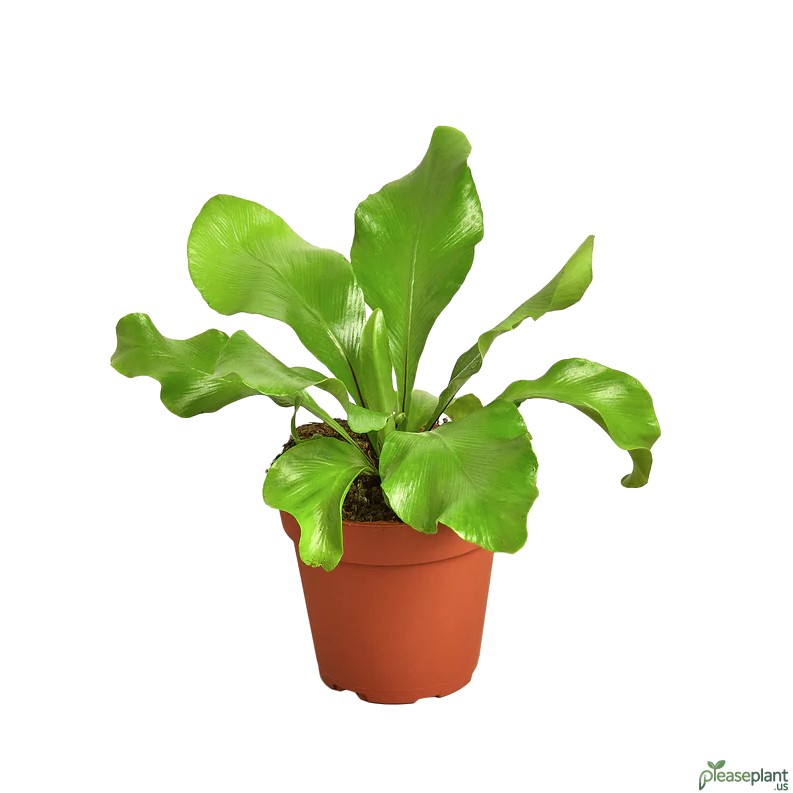
Tiny bugs on your Bird's Nest - Nidus Fern Plant? Don't panic just yet. These little critters can be a nuisance, but with my years of gardening experience, I’ll guide you through identifying, treating, and preventing infestations. From spotting the common pests to natural remedies and care tips, you’ll learn what must be done now to keep your fern happy and healthy. This isn’t about fancy solutions but practical, down-to-earth advice that works in real life.
When Bugs Crash the Bird's Nest Party
Ever noticed tiny bugs crawling on your Bird's Nest - Nidus Fern Plant and wondered if your green buddy is doomed? You're not alone. These ferns, with their lush, wavy leaves, are a favorite indoor plant, but their cozy structure sometimes invites unwanted guests. Tiny bugs like aphids, scale insects, or spider mites can sneak in, causing stress to your fern and leaving you scratching your head.
What Are These Tiny Pests Anyway?
Let me tell you, the first time I saw those minuscule invaders on my fern, I thought it was some weird dirt, but nope! aphids are soft-bodied bugs that suck sap, leaving sticky residue. scale insects look like little bumps but are actually pests that latch on and suck nutrients. spider mites? Tiny, fast, and hard to spot until they weave their silken webs. These guys can turn your fern's vibrant green leaves to dull, spotted, or even yellow disaster zones.
Immediate Steps to Save Your Fern
Don't just stare helplessly, do something now! First, isolate your Nidus Fern from other plants to avoid spreading. Grab a soft cloth or cotton swab dipped in rubbing alcohol and gently wipe off visible bugs. For a more thorough approach, a gentle shower of lukewarm water can wash away many pests — but be careful not to soak the soil too much, or you risk root rot.
natural remedies That Actually Work
Chemical pesticides? Nah, not my style, especially on indoor plants. I’ve found that a homemade mix of water, a few drops of liquid dish soap, and a splash of neem oil really does the trick. Spray this mixture on the leaves, especially undersides where bugs hide. Repeat every 5-7 days. If you catch the bug invasion early, this routine can bring your fern back from the brink. Just keep in mind, neem oil's smell can be strong, so ventilate well.
Prevention: The Best Defense
After battling those tiny critters, you’ll want to stop a rerun. Keep your Bird's Nest Fern in a well-ventilated spot but away from direct sunlight that can scorch leaves. Avoid overwatering and ensure good drainage. Regularly inspect your fern for the first signs of bugs or sticky residue. And here’s a pro tip: occasionally wiping the leaves with a damp cloth keeps dust and pests at bay.
My Old Story: That Time I Ignored the Warning
I once ignored a tiny bug outbreak on my fern, thinking it’d go away by itself. Big mistake! The infestation grew, leaves curled, and the plant looked like it was waving a white flag. After a frantic rescue mission with neem oil and patience, it bounced back — but that scare taught me to act fast and never underestimate those tiny bugs on your Nidus Fern Plant. So, don't be me; be proactive!
When All Else Fails
If the infestation is severe and natural remedies don’t cut it, you might have to consider a targeted insecticide safe for indoor plants. Always read labels and maybe test on one leaf first. Alternatively, seeking advice from a local garden center or a plant specialist can save your fern and your sanity. Remember, the goal is a thriving, bug-free fern that adds charm to your space without the hassle.