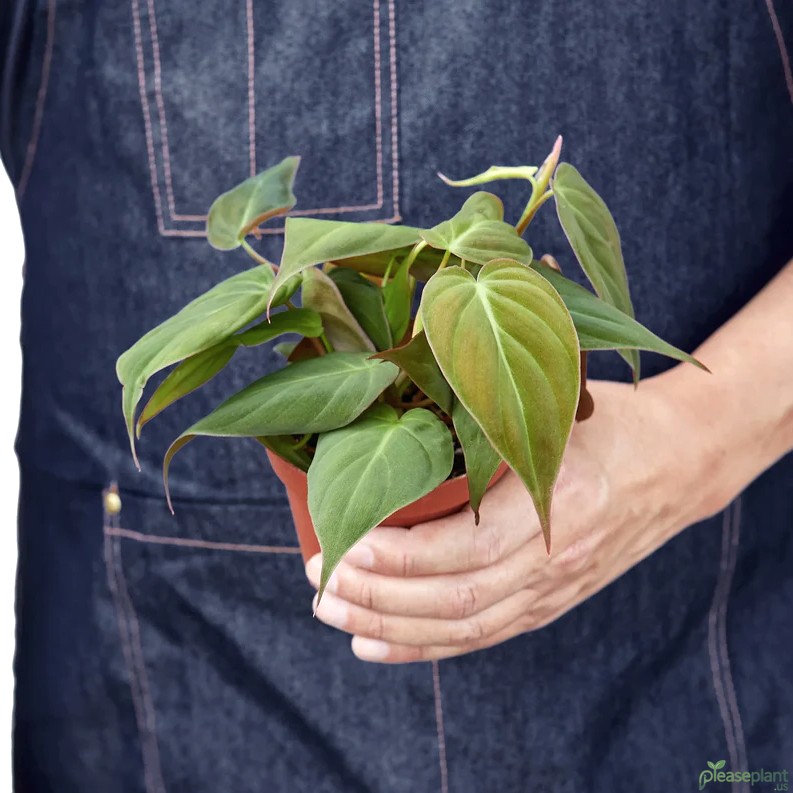
You've probably seen the Velvet Leaf Philodendron in cozy homes and garden corners, but did you know this lush plant hides a toxic secret? If you have cats, dogs, or curious kids around, it's crucial to understand the risks. This plant isn't just a pretty face—it can cause serious issues if ingested. Let's dive deep into what makes this plant risky and how to keep your furry friends and little explorers safe without losing your green thumb.
Let Me Tell You About Velvet Leaf Philodendron
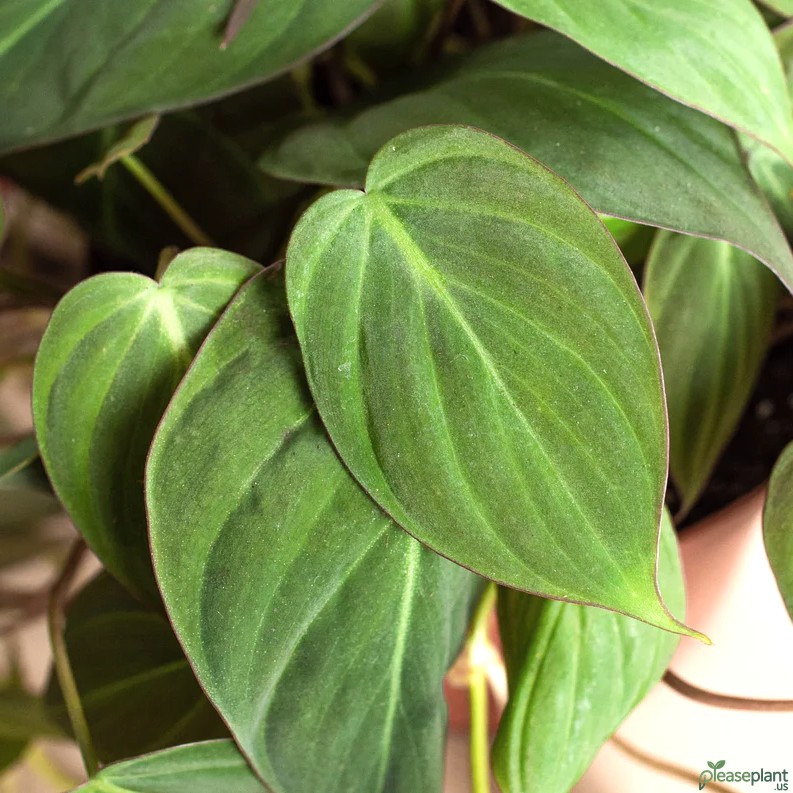
The Philodendron Velvet Leaf Plant is a stunner, no doubt. Those velvety, heart-shaped leaves add a touch of elegance to any room. But beneath that soft texture and lush green lies a bit of a toublemaker. This plant is notorious for being toxic if eaten by cats, dogs, and kids. It's like inviting a wild animal to a tea party – looks calm but might bite if provoked.
Why Is The Velvet Leaf Toxic?
This beauty contains calcium oxalate crystals, a fancy name for little needle-like bits that irritate the mouth and digestive system when chewed on. If your playful kitten decides to nibble a leaf or your toddler grabs it out of curiosity, expect symptoms like drooling, swelling of lips or tongue, and even vomiting. And woah, don’t be fooled by how harmless it looks – even a small bite can cause enough discomfort to rush you to the vet or doctor.
What Happens To Cats and Dogs?
From my years of watching my own mischievous pets, I can tell you, cats and dogs react differently but not any better. Dogs might try to gobble a whole leaf, leading to more severe symptoms like difficulty swallowing or breathing. Cats, on the other hand, tend to be more cautious but can still get a nasty mouth burn and irritation. The tricky part? Sometimes the symptoms don’t show up immediately, so you might not notice till it’s a bit late.
How To Keep Your Loved Ones Safe
First off, if you’re madly in love with the Velvet Leaf Philodendron, don’t panic. Just place it out of reach. High shelves, hanging baskets, or rooms your pets and kids rarely visit are your best bets. Second, watch for signs like pawing at the mouth or unusual drooling – these are red flags. And for the curious parents or pet owners, have your vet or poison control number handy. Trust me, better safe than sorry.
Is There A Safe Alternative?
If you want that lush green vibe but without the risk, consider plants like spider plants or Boston ferns, which are way friendlier to your four-legged or little ones. They won’t sacrifice your style but keep your home a safe haven.
Final Thoughts On Velvet Leaf
The Velvet Leaf Philodendron is like that mysterious guest at a party – stunning but with rules you can’t ignore. It's a plant best admired with respect and caution, especially if your house is filled with curious paws and tiny hands. Remember, greenery is wonderful, but safety first, always. So love your velvet leaves, but keep them at a safe distance, and your home will flourish without any nasty surprises.