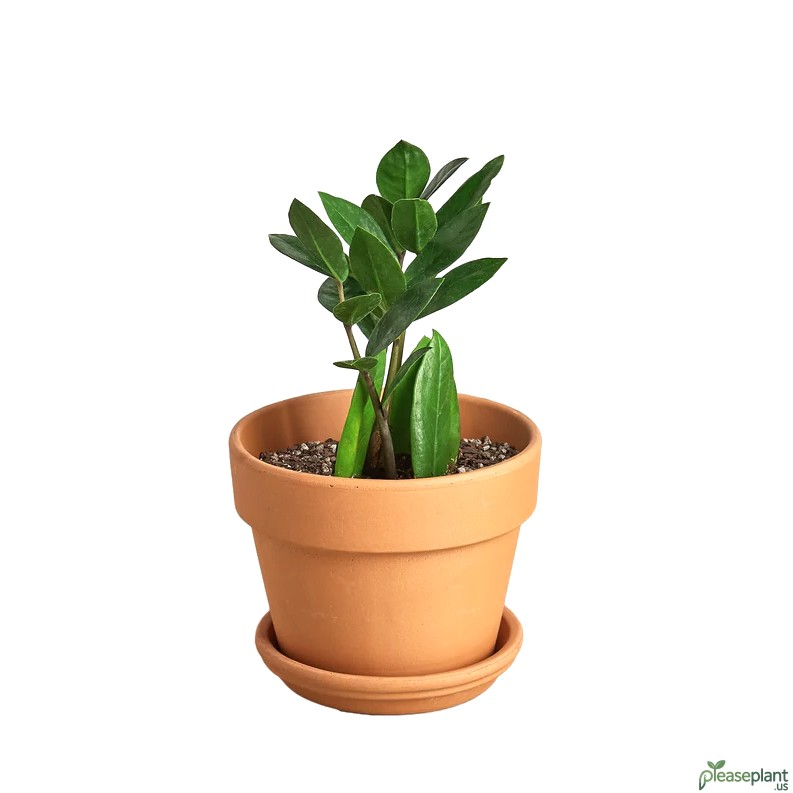
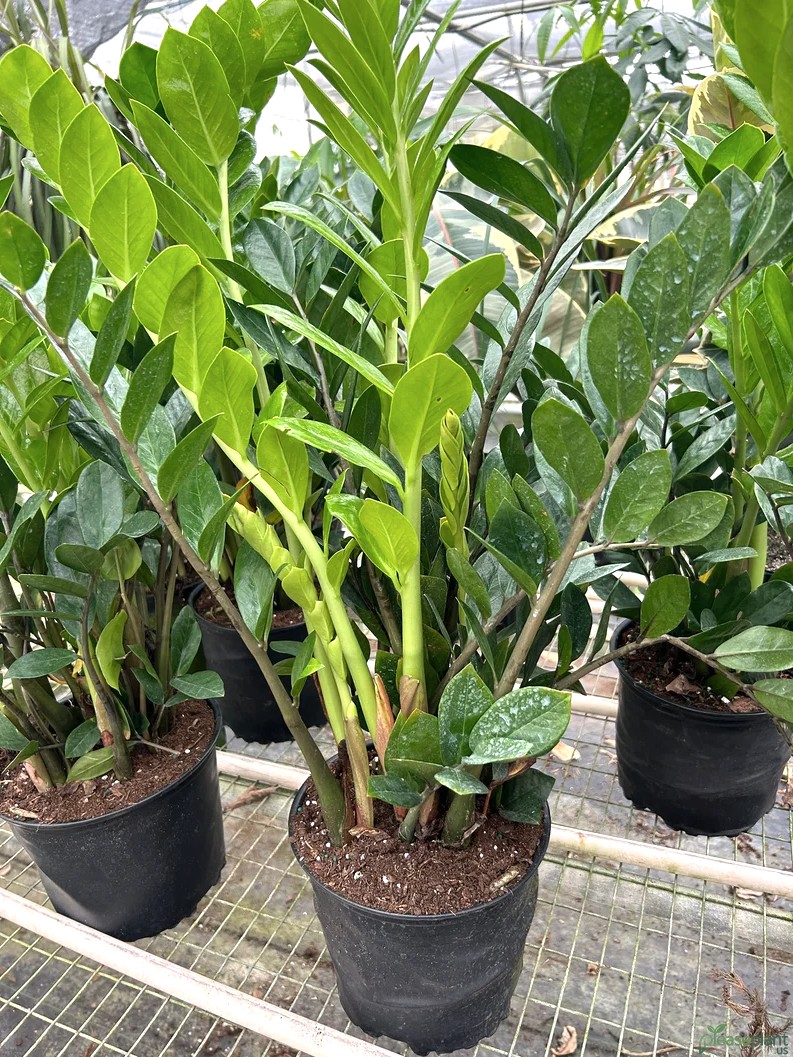
The Zamioculcas Zamiifolia ZZ Plant has a reputation for being a tough, low-maintenance indoor plant, but can it truly survive in the dark? Many of us have shoved this resilient friend into corners with minimal light, hoping it’d just keep on thriving. Spoiler alert: it’s not magic, but it is impressively stubborn. Let’s dive deep into how much light your ZZ Plant really needs, what happens in the dark, and how to care for it when sunlight is scarce. If you’ve ever battled with a droopy leaf or wondered about plant placement, this one’s for you.
Let Me Tell You About My ZZ Plant Saga
I remember when I first got my Zamioculcas Zamiifolia ZZ Plant. It was the early days of my indoor jungle obsession, and I plopped it right into a dim corner, thinking: hey, it's called a "ZZ Plant" for a reason, it's gotta be tough. And boy, did it prove me right, holding its glossy leaves like a champ. But can it really survive in the dark? Well, not quite pitch black, but it’s surprisingly tolerant of low light.
How Much Light Does a ZZ Plant Actually Need?
Contrary to some urban legends, the ZZ Plant does need some indirect light to stay healthy. It’s not a cactus that thrives under blazing sun but more like that friend who prefers the shade at summer BBQs. In dim light, it will slow down its growth and may drop a leaf or two, but it won't keel over immediately. However, in complete darkness, it’s a different story. The plant can survive weeks but eventually, it’ll start suffering. Think of it as trying to run on empty gas tank – it’s just not sustainable.
What Happens When ZZ Plant Is Kept in the Dark?
In my experience, when you keep a ZZ Plant in a nearly dark room, its leaves will lose their vibrant shine and start to yellow. The stems get spindly, reaching desperately towards any tiny light source. It’s like it’s waving a little white flag, pleading for some rays. Watering becomes tricky too because the plant’s metabolism slows down, so overwatering in the dark can cause root rot faster than you’d expect. So, less light means less water needed, simple as that.
Tips for Keeping Your ZZ Plant Alive in Low Light
If your space is limited in natural sunlight, don't fret. The ZZ Plant is forgiving. Here’s what I do:
- Place it near an east or north-facing window for a few hours of indirect light.
- Rotate it occasionally so all sides get equal light exposure.
- Water sparingly, maybe every 3-4 weeks, especially in darker spots.
- Avoid drafts and sudden temperature changes, because stress plus darkness is a no-go.
Can artificial light Save Your ZZ Plant?
Absolutely! If your room is a dark dungeon, a simple LED grow light can work wonders. I set mine on a timer for about 6-8 hours daily, mimicking natural day cycles. This little trick helped my ZZ Plant bounce back from a near-death experience after I neglected it in my basement office. It’s not cheating, it’s plant parenting.
Why ZZ Plant Is Still One of the Best Indoor Plants
Despite its light demands, the Zamioculcas Zamiifolia ZZ Plant remains one of the most resilient houseplants out there. It’s drought tolerant, pests rarely bother it, and it can brighten up even the gloomiest corners with its sculptural leaves. But remember, even the toughest plants have their limits. Give it some love, some light, and it’ll repay you with years of green goodness.
So, can your ZZ Plant survive in the dark? Yes, for a while, but to keep it thriving and not just surviving, a little bit of light is a must. And if you can’t provide natural light, artificial options can be your plant’s savior. Don’t let your green buddy turn into a sad, leggy shadow of its former self!