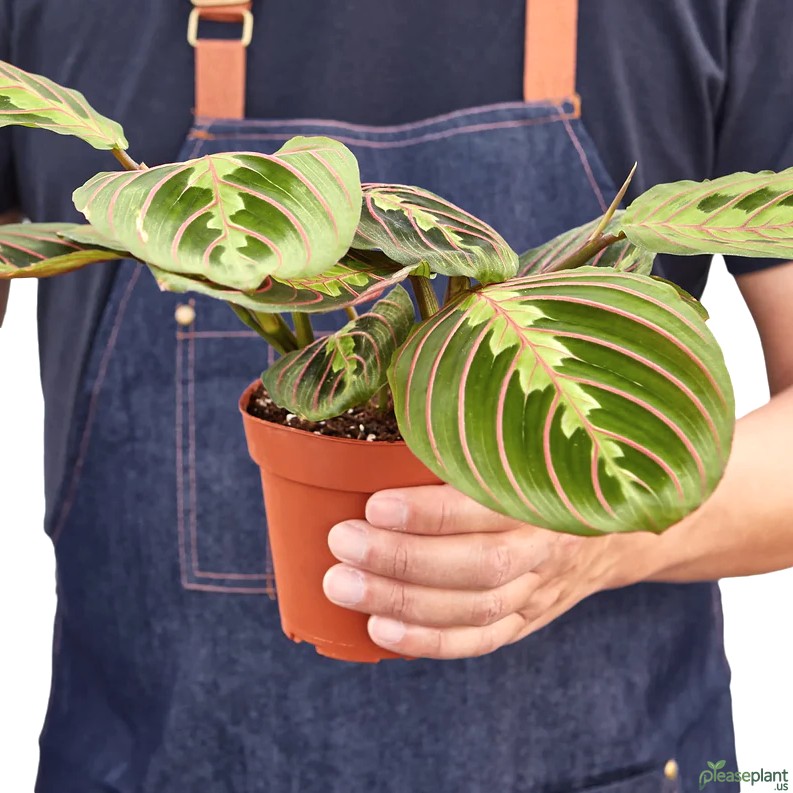
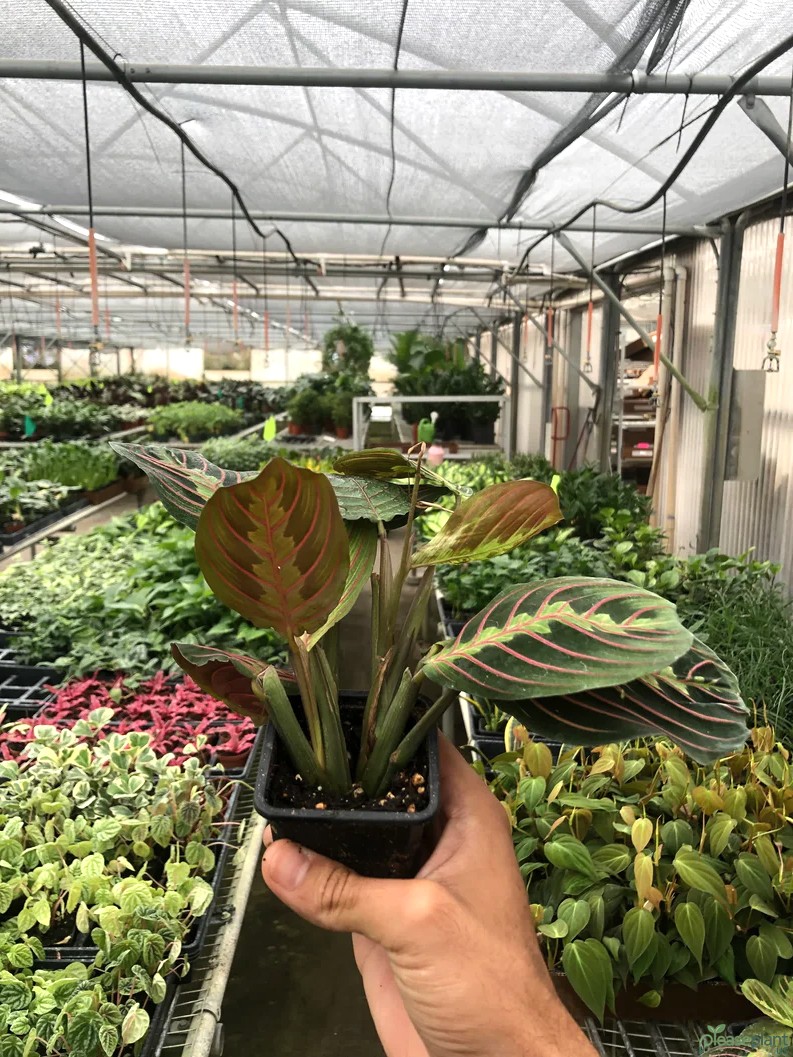
The Maranta Red - Prayer Plant is no ordinary houseplant; it hails from the lush, vibrant heart of the Brazilian rainforest. Known for its striking red veins and unique leaf movements, this plant carries a story as rich as its colors. If you're curious about its origins, care tips, and what makes it so special among tropical plants, stick around. I’ll share some honest, hands-on experience on how to keep this beauty thriving indoors, plus a bit about its wild roots where it all began.
Deep Roots in the Brazilian rainforest
Let me tell you a little secret about the Maranta Red - Prayer Plant. This plant isn't just a pretty face on your windowsill; it comes straight from the dense, humid undergrowth of the Brazilian rainforest. Imagine a place where the sun barely hits the forest floor, and the air is thick with moisture and mystery. That's where this plant learned to thrive. Its vibrant red veins are not just for show—they help it catch and filter the little light that makes it through the canopy. So, it’s a survivor, a true warrior of the shadows.
Why is it Called a Prayer Plant?
You might wonder why folks call it a "Prayer Plant." Well, it's because of its unique habit: as dusk falls, the leaves fold up as if in prayer. It's a slow, graceful dance that the plant performs every evening. It’s not just poetic; this movement helps reduce water loss and protect the leaves overnight. I’ve watched mine do this nightly ritual, and it’s almost like it’s saying goodnight to me. A bit mystical, right?
Caring for Your Maranta Red at Home
Now, onto the practical stuff. Growing a Maranta Red - Prayer Plant indoors is a bit like trying to recreate a tiny piece of the rainforest. You’ll want to keep it in bright, indirect light—too much direct sun and those gorgeous red veins will bleach out faster than you can say "rainforest." humidity is king here; these plants love it damp, so misting or a pebble tray with water nearby can work wonders. overwatering-3" class="text-primary hover:underline">overwatering? That’s a big no-no—these roots hate soggy feet and will start to rot if you’re not careful.
Problems You Might Face
The tricky part? Keeping those pesky spider mites and fungal issues at bay. The rainforest is a balanced ecosystem; indoors, you’re playing God a bit, so pests can sneak in if you’re not vigilant. I once had a bout of spider mites that nearly killed my plant. A gentle neem oil spray and a good wipe-down saved the day, but it was a close call. Also, watch out for brown leaf edges—that usually means the air's too dry or the plant's getting too cold at night.
Why Every Plant Lover Should Try It
If you ask me, the Maranta Red - Prayer Plant is one of those plants that speaks to your soul. It’s not just a splash of color; it’s a connection to a wild, vibrant world far away. For anyone starting out or looking to add a bit of drama to their plant collection, this is a winner. Just remember, it’s a bit needy but in the most charming way possible. Plus, watching those leaves fold up at night? Priceless.
So yeah, if you want a plant with character and a story, the Maranta Red - Prayer Plant is your ticket to a mini rainforest adventure right at home!