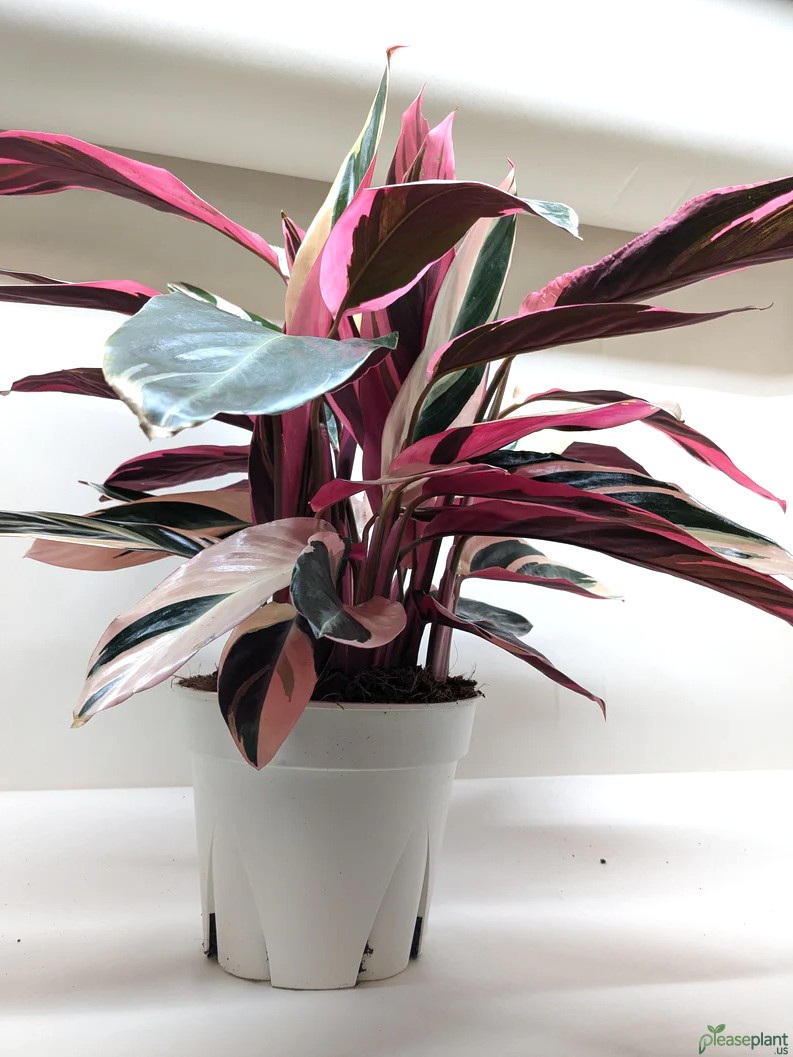
Ever stared at your Stromanthe Triostar plant and wondered if it’s on its last legs? I’ve been there, watching those beautiful leaves fade and curl, feeling a bit lost. But trust me, with some patience and the right care, you can breathe new life into this tropical beauty. From adjusting watering habits to tweaking humidity and light, these tips will guide you step-by-step. Let's dive in and save that stunning plant before it’s too late!
The Tale of My Struggling Stromanthe
You know that feeling when your Stromanthe Triostar plant starts looking a bit sad, leaves curling and colors dulling? Happens to the best of us. I remember my first encounter with this diva of the plant world: vibrant pinks and greens that made my living room pop. Then, bam! One day it looked like it was waving the white flag. But don't fret, these plants are tougher than they seem if you know their quirks.
Watering Woes: Don’t Overdo It!
One of the biggest mistakes I made was drowning mine with love (and water). Stromanthe Triostar doesn't like soggy roots. They want moist soil, not a swamp. The trick? Water when the top inch of soil feels dry. Too much water and you’ll get root rot; too little and those leaf edges will crisp up faster than you can say "plant rescue". And hey, avoid using cold tap water straight from the fridge; luke warm is the way to go.
The Light It Needs: Bright But Indirect
This plant is like Goldilocks when it comes to light. Too much direct sun and you'll fry those delicate leaves, turning those fabulous colors into sad brown patches. Too little light and it’ll lose its vibrancy, stretching out awkwardly. I found a spot near a north-facing window perfect, where it could soak up bright, filtered light all day without a single burn. If your place is darker, a grow light might save the day.
Humidity: The Secret Sauce
If you live in a dry area or crank up the heater in winter, your Stromanthe Triostar will throw a tantrum. These tropical beauties thrive on humidity. I swear by a simple pebble tray filled with water to boost moisture around the plant. Misting helps too, but don’t go overboard or you’ll invite fungal issues. A humidifier nearby is a game changer during cold months.
Feeding and Soil: Give It a Boost
During growing season, a balanced liquid fertilizer every 4 weeks can work wonders. But remember, less is more. Overfeeding can burn those precious roots. Also, make sure you’ve got a well-draining potting mix. I use a mix with peat, perlite, and some orchid bark to keep things airy yet moisture-retentive.
Pruning and Cleaning: Keep It Fresh
Don’t be shy to trim off dead or yellow leaves. It not only improves appearance but helps the plant focus energy on new growth. Also, gently wipe leaves with a damp cloth to keep dust and pests away. I've found that a clean leaf breathes better and looks way happier.
When to Repot
If your Stromanthe Triostar looks cramped or water sits on top too long, it’s time to repot. Usually every 2 years or so. Pick a pot just one size bigger and fresh soil to keep your plant thriving without drowning in excess room.
Final Thoughts From My Plant Journey
Bringing a Stromanthe Triostar back from the brink isn’t rocket science, but it requires attention and a bit of trial and error. With patience, proper watering, right lighting, and humidity, you’ll see those leaves perk up and colors pop back. And hey, if you mess up, it’s not the end of the world. My Stromanthe survived a few missteps before becoming the star of my indoor jungle. Give it a shot—you might just save a dying plant and gain a green buddy for life.