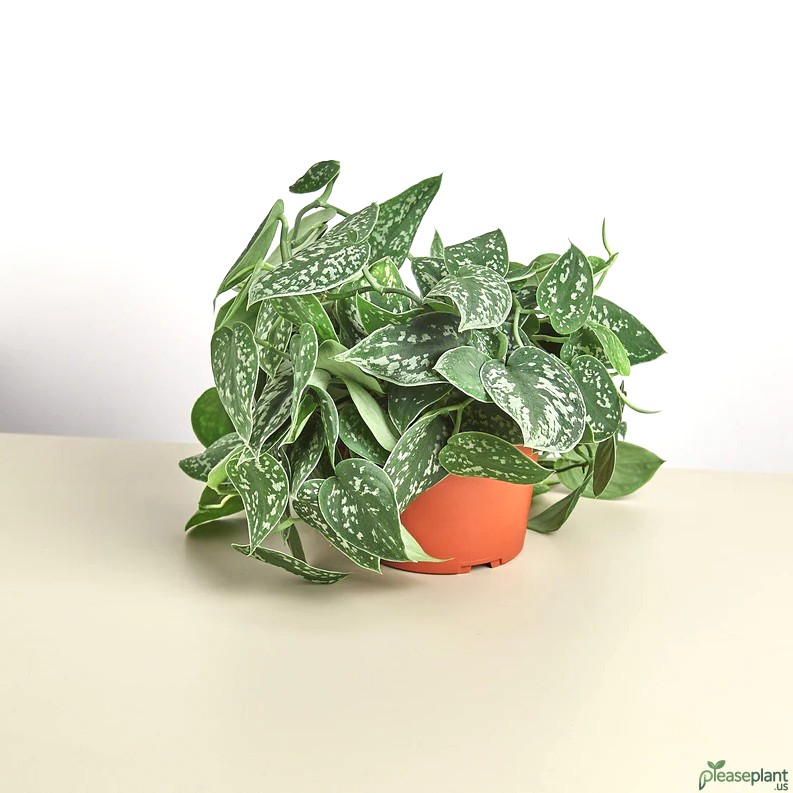
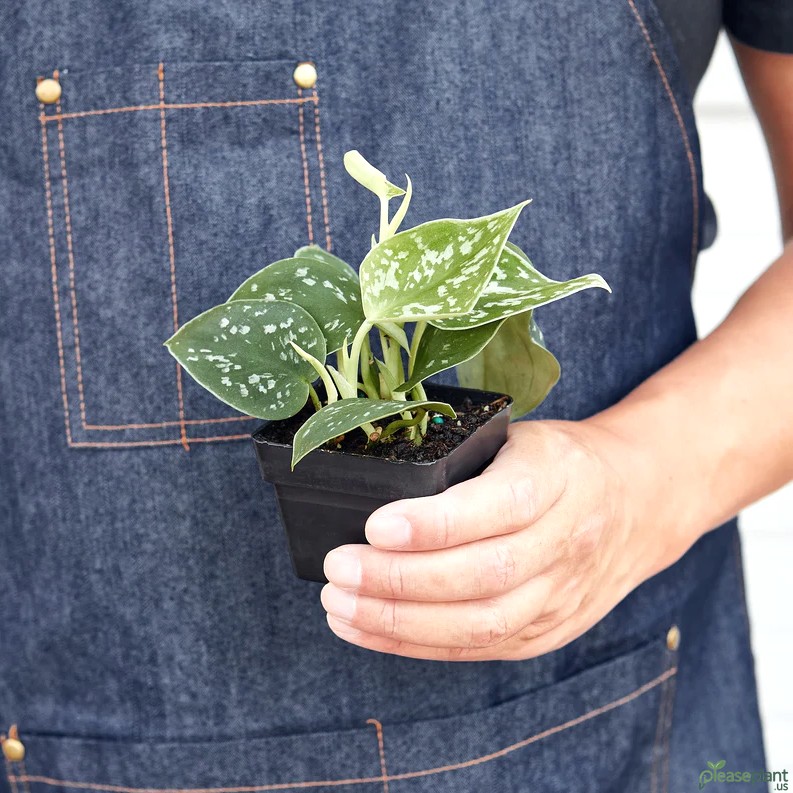
If you're diving into the world of houseplants and wondering if the Satin Pothos (or Photos Satin - Pictus Plant) is a no-fuss, beginner-friendly choice, you're not alone. This plant has that silvery shimmer on its leaves that catches your eye, but does it demand too much? I've been there, juggling a few plants in my flat, and the Satin Pothos stood out for its chill vibe. Let me tell you why it might just be the zero stress green buddy you need, even if you're not exactly a plant whisperer.
Let Me Tell You About Satin Pothos
If you've ever roamed through a plant shop, chances are you've spotted that shiny, silver-speckled leaf that belongs to the Photos Satin - Pictus Plant. It's the kind of plant that seems to glow under your living room light, making it a hot fave for both new and seasoned plant lovers. But the question is, is it actually easy to keep alive? From my experience, this beauty is pretty forgiving. It thrives in moderate light but can survive in low light too, which is a win if your place doesn’t get much sun. Just don’t put it in direct sunlight, unless you want those gorgeous leaves to get crispy and brown.
What Makes Satin Pothos a Chill Houseplant?
The Satin Pothos doesn’t ask for much fuss. Water it when the top inch of soil feels dry—usually once every week or two depending on your home's humidity. overwatering-5" class="text-primary hover:underline">overwatering? Big no-no. I learned this the hard way, and my poor plant almost drowned. The leaves can get a bit yellow if you’re too generous with the water. Also, it’s not picky about soil, but a well-draining mix keeps the roots happy. Fertilize sparingly during growing season and you’re set. Oh, and it’s pretty resistant to pests, so no daily inspections needed, which is a relief.
Common Mistakes and How to Avoid Them
Some folks think that because Satin Pothos looks fancy, it needs expert care. Nah, it’s more of a laid-back type. Still, a couple of things can trip you up. For example, ignoring the light needs can make the plant leggy and dull. And if you let the soil dry out completely for too long, those shiny leaves will droop and sulk. I once left mine on a windowsill during a cold snap, and it sulked hard. So keep it cozy around 60-85°F (15-29°C) and away from drafts.
Why Pick Photos Satin - Pictus Plant Over Others?
Compared to other trailing plants, Satin Pothos is like that reliable friend who shows up without drama. Its silvery leaves add a touch of elegance, and it’s perfect for hanging baskets or shelves. Also, it purifies the air, which is a nice bonus if you’re into fresh indoor vibes. If you want a plant that looks like it belongs in a fancy magazine but doesn’t demand a green thumb, this one’s your go-to.
Final Thoughts on Zero Stress Planting
So, is Satin Pothos an easy houseplant? Absolutely. It’s a real no-stress companion for anyone wanting to add a bit of green without turning into a full-time plant parent. Just remember the basics: moderate indirect light, water when dry, and keep it warm. If you mess up a bit, it’ll forgive you and bounce back. And let me tell you, watching those shimmering leaves grow is pretty satisfying. So go ahead, grab a Photos Satin - Pictus Plant, and let your indoor jungle begin!